 Guv's Gardens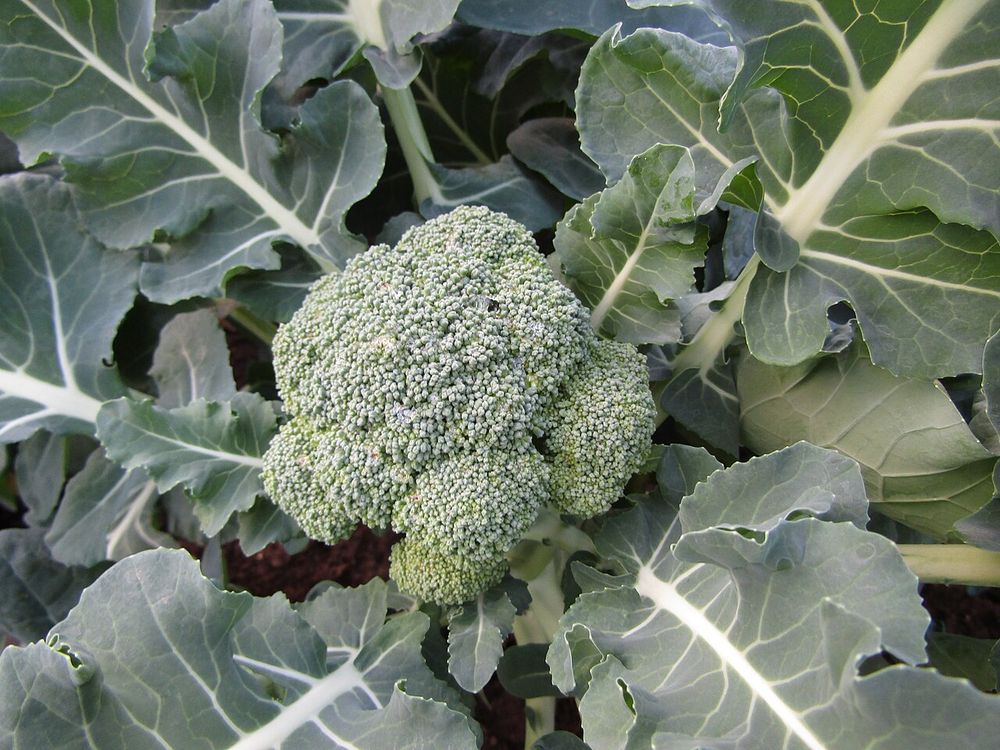
Photo: Kolforn (Kolforn), CC BY-SA 4.0, via Wikimedia Commons
.JPG)
- Sun
- Full sun (6+ hours)
- Soil
- Fertile, well-drained, moist soil
- Soil pH
- About 5.8-7.0
- Water
- About 1 in per week, watering deeply to 6 in
- Hardiness
- Cool-season annual. Tolerates light frost and is not seriously damaged down to about 28°F
- Height and spread
- Typically 2-3 ft tall; range 1-4 ft tall x 1-2 ft wide

Guv's tipCut broccoli's main head before the buds open, and side shoots will follow. Floating row covers help keep imported cabbageworm off.
Through the year
Months are a rough guide. Time it by your own frost dates: outdoors before last frost (cool season).
When to plant
Spring: transplant 2-3 weeks before the last frost (Mar-Apr in the South, Apr-May in the North; in Minnesota start seed indoors early-mid Apr). Fall: plant in Jul in the North to Aug-Sep in the South (South Carolina transplants Aug 15-Sep 30)
Harvest or flowering
Heads form 50-90 days after transplanting: about May-Jul from spring plantings and Sep-Nov from fall plantings. Harvest before the buds open
Pruning
Cut the main head; side shoots follow
Making more plants
Seed or transplants
Watch out for
Imported cabbageworm
Look for: Green caterpillars, holes in leaves, frass in heads
What to do: Floating row covers; Bacillus thuringiensis (Bt) on young caterpillars
Cabbage aphid
Look for: Gray-green waxy colonies on young leaves and heads, curled leaves
What to do: Hose off; insecticidal soap with good coverage; conserve lady beetles and parasitoids
Black rot
Xanthomonas campestris pv. campestrisLook for: Yellow V-shaped lesions from leaf margins, blackened veins
What to do: Clean seed/transplants, 2+ year rotation away from brassicas, remove residue
Downy mildew
Hyaloperonospora spp. (H. parasitica / H. brassicae complex)Look for: Angular yellow-brown leaf spots with grayish-white fluffy growth underneath; dark streaks in heads
What to do: Spacing and air flow, avoid overhead watering, rotation, resistant cultivars; labeled protectant fungicide if needed
Always read and follow the label on any treatment, and check it is approved for use where you live.
Safety and spread
Pets and people: Not listed on the ASPCA toxic plant list. Safe for dogs in small amounts, but isothiocyanates in the florets can cause stomach irritation in larger amounts
Weed risk: Not on the federal noxious weed list. The USDA PLANTS database shows no federal or state noxious or invasive status
The Plant Doctor and the Guv's book
Printable pest and disease charts with real photographs, and all 50 USA plants in one book.