 Guv's Gardens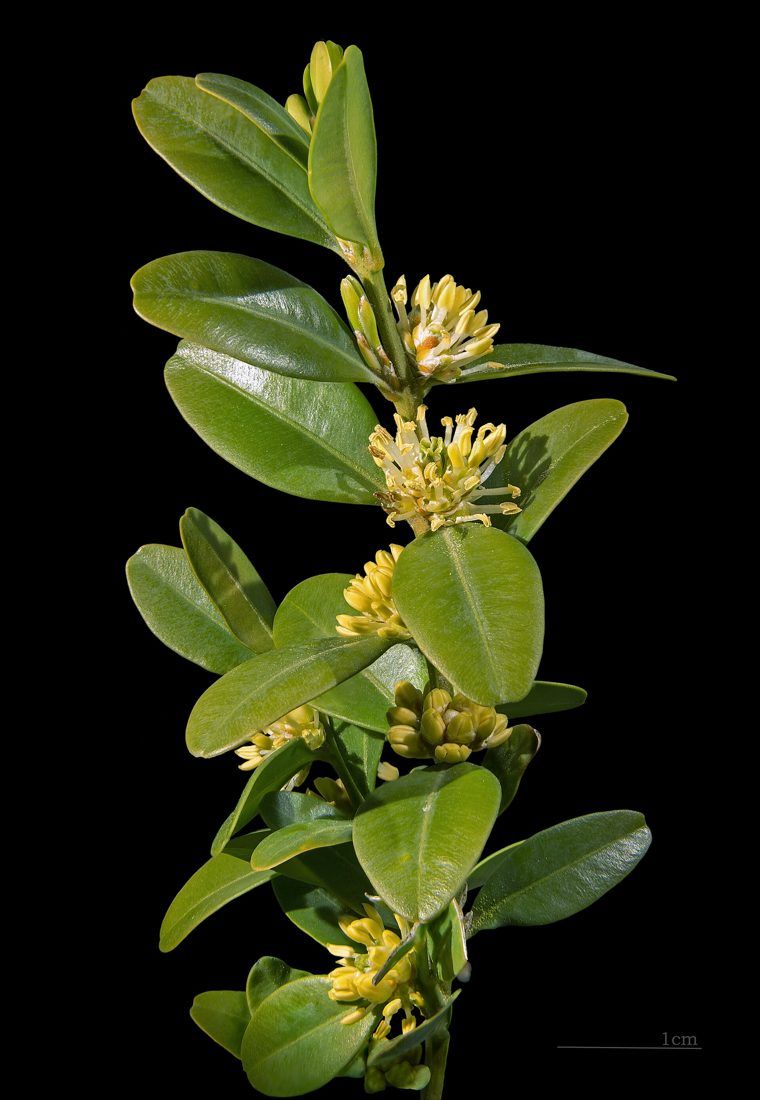
Photo: Didier Descouens, CC BY-SA 3.0, via Wikimedia Commons

- Sun
- Part shade to full sun; best with afternoon shade in hot areas (full sun increases winter damage)
- Soil
- Well-drained soil
- Soil pH
- About 6.8-7.5 (neutral)
- Water
- Moderate. Water thoroughly every week in dry spells (less than 1 in of rain a week); keep moist, not soggy. Avoid wet sites
- Hardiness
- B. sempervirens: USDA zones 5-8 or 6-8. Other species and cultivars vary
- Height and spread
- B. sempervirens 5-20 ft x 5-15 ft, slow-growing. Dwarf cultivars are much smaller

Guv's tipShear boxwood during the growing season, early June is ideal, but never after August. Thin it every year to let light and air in.
Through the year
Months are a rough guide. Time it by your own frost dates.
When to plant
Spring is preferred (broadleaf evergreen). Early fall is acceptable if watered deeply and mulched. Nurseries transplant in early spring
Flowering
Inconspicuous, fragrant flowers in spring
Pruning
Thin every year to let light and air into the interior. Shear during the growing season (early June is ideal). Avoid late-season pruning (not after August, and not in late fall or winter). Do hard renovation in late winter to early spring
Making more plants
Stem cuttings (best rooted in late summer to fall)
Watch out for
Boxwood leafminer (Monarthropalpus flavus)
Look for: Blistered, discolored, swollen leaves; leaf drop
What to do: Registered insecticide timed to adult emergence in May (weigela bloom)
Box tree moth (Cydalima perspectalis)
Look for: Green-yellow striped caterpillars, webbing, skeletonized leaves, frass, defoliation
What to do: Report to state department of agriculture/APHIS; hand-pick small infestations
Boxwood blight
Calonectria pseudonaviculataLook for: Dark leaf spots, rapid defoliation, black stem streaks
What to do: Prune/destroy infected material, sanitize tools, drip irrigation, tolerant cultivars; fungicides preventive
Volutella blight
Pseudonectria buxi and P. foliicolaLook for: Leaves yellow to tan, salmon-pink spore pads underneath, peeling bark
What to do: Remove dead branches/debris, minimize wounds, air flow and drainage, pH 6.8-7.5
Always read and follow the label on any treatment, and check it is approved for use where you live.
Safety and spread
Pets and people: Toxic to dogs, cats and horses. Alkaloids cause vomiting and diarrhea (in horses, colic and respiratory failure) (ASPCA). NC State Extension rates it low severity (steroidal alkaloids; the sap irritates skin), and the University of California lists it as minor toxicity and a skin irritant
Weed risk: The plant itself is not on the federal noxious weed list. Box tree moth is a regulated invasive pest: federal and state agencies restrict the movement of boxwood in quarantined areas (confirmed in several Northeastern and Midwestern states)
The Plant Doctor and the Guv's book
Printable pest and disease charts with real photographs, and all 50 USA plants in one book.