 Guv's Gardens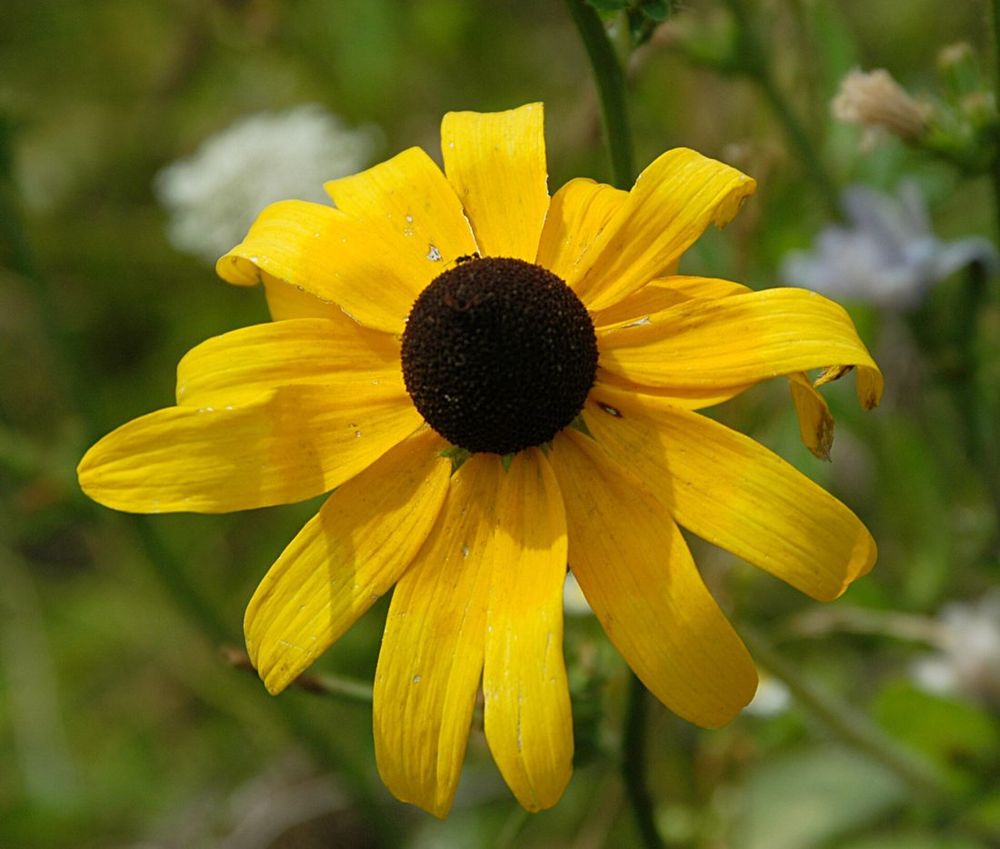
Photo: G. Edward Johnson, CC BY-SA 3.0, via Wikimedia Commons

- Sun
- Full sun to part shade
- Soil
- Average, well-drained soil; adapts to clay and gravelly soils
- Soil pH
- Adaptable, from acid to alkaline
- Water
- Moderate until established, then heat- and drought-tolerant
- Hardiness
- USDA zones 3-9 (varies by species). R. hirta is often short-lived or biennial
- Height and spread
- 1-3 ft (to 4 ft) x 1-2 ft
Guv's tipDeadhead black-eyed Susans to extend bloom, but leave the late seed heads for the goldfinches. Everyone's happy then.
Through the year
When to plant
Spring after frost (perennials mid-April), or early fall about six weeks before the first frost
Harvest or flowering
Jun-Oct (start varies from late spring to July)
Pruning
Deadhead to extend bloom. Leave late seed heads for birds (goldfinches)
Making more plants
Seed (benefits from cold stratification). Readily self-sows
Watch out for
Aphids
Look for: Clusters of small soft insects on shoots, sticky honeydew, curled leaves
What to do: Hose off; insecticidal soap or horticultural oil; conserve lady beetles
Septoria leaf spot
Septoria rudbeckiaeLook for: Small dark brown spots 1/8-1/4 in, starting on lower leaves and moving up
What to do: Space plants for air flow, avoid overhead watering, remove debris; preventive fungicide optional (mostly cosmetic)
Powdery mildew
Powdery mildew fungi (Erysiphaceae)Look for: White powdery coating on leaves
What to do: Thin plants for air circulation, avoid overhead watering; low-impact fungicide if severe
Always read and follow the label on any treatment, and check it is approved for use where you live.
Safety and spread
Pets and people: Not listed as toxic by the ASPCA, NC State Extension or the University of California toxic plant list
Weed risk: Not on the federal noxious weed list
The Plant Doctor and the Guv's book
Printable pest and disease charts with real photographs, and all 50 USA plants in one book.