 Guv's Gardens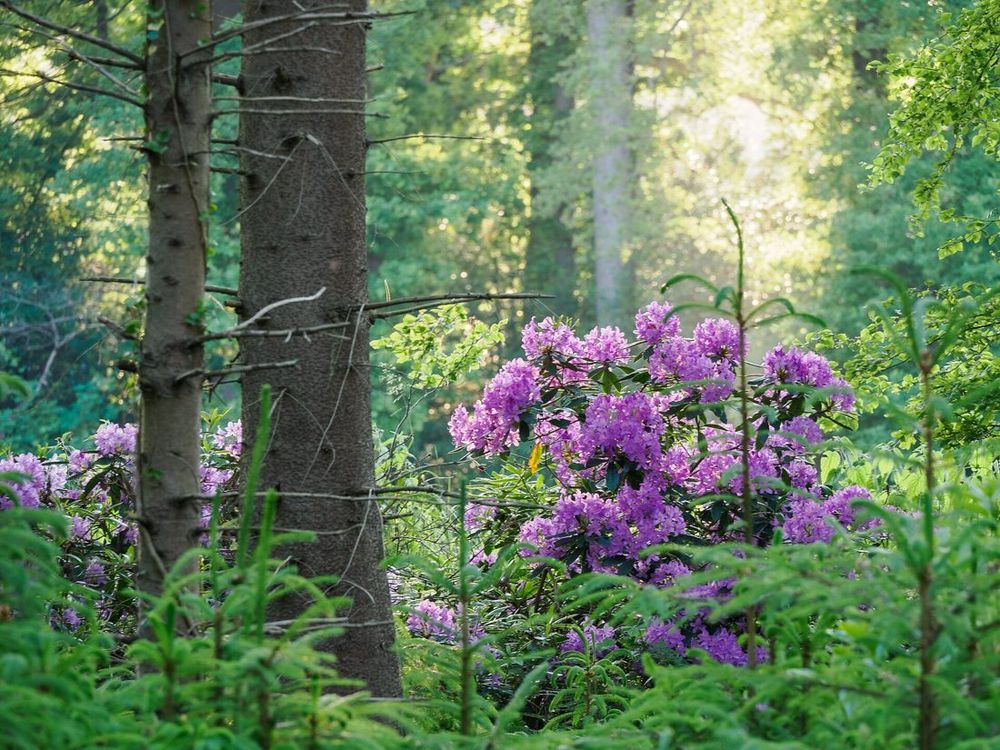
Photo: JoachimKohler-HB, CC BY-SA 4.0, via Wikimedia Commons
.jpg)
- Sun
- Part shade or filtered light; morning sun with afternoon shade is ideal
- Soil
- Acid, moist, well-drained, organic soil
- Soil pH
- About 4.5-6.0 (acid)
- Water
- Regular. Water thoroughly when the soil is dry (roots are shallow). Mulch, and avoid waterlogging
- Hardiness
- Varies widely by species and cultivar: the genus is roughly USDA zones 4-8, and evergreen Southern Indian and Kurume types are grown to zones 8-9 in the Southeast
- Height and spread
- Dwarf to large: Kurume 2-6 ft, Encore 3-5 ft, Southern Indian 5-8 ft tall x 5-10 ft wide; for example 'George Tabor' about 10 x 8 ft. Genus range 6-10 ft x 5-8 ft
Guv's tipPrune azaleas just after flowering, because next year's buds are set in summer. Morning sun and afternoon shade suits them best.
Through the year
Months are a rough guide. Time it by your own frost dates: fall planting.
When to plant
Fall is preferred in the Southeast (less stressful than spring or summer); spring is also used. Avoid summer. In poorly drained soil, plant high
Flowering
Early spring to midsummer, depending on type. Reblooming types (such as Encore) flower again in fall
Pruning
Just after flowering (late spring or early summer), because next year's buds are set in summer
Making more plants
Cuttings or layering (also seed)
Watch out for
Azalea lace bug (Stephanitis pyrioides)
Look for: Pale stippled/bleached leaves, dark excrement specks on undersides; worst in full sun
What to do: Insecticidal soap or horticultural oil to leaf undersides, early spring; encourage predators; site in part shade
Spider mites
Look for: Stippled, bronzed leaves, webbing
What to do: Forceful water spray; insecticidal soap or oil
Phytophthora root rot
Phytophthora spp.Look for: Stunting, yellowing, wilting, branch dieback, death; dead leaves stay attached
What to do: Good drainage, disease-free stock, remove infected plants, resistant cultivars; no chemical recommended
Iron chlorosis
Non-infectious (soil pH too high)Look for: Yellow leaves with green veins
What to do: Lower soil pH; iron (e.g. ferrous sulfate) if iron-deficient
Always read and follow the label on any treatment, and check it is approved for use where you live.
Safety and spread
Pets and people: Toxic to dogs, cats and horses. Grayanotoxins cause vomiting, diarrhea, weakness and cardiac failure (ASPCA). NC State Extension lists it as toxic (low severity for people), and the University of California lists it as major toxicity
Weed risk: Not on the federal noxious weed list
Growing somewhere else? See this plant for the UK.
The Plant Doctor and the Guv's book
Printable pest and disease charts with real photographs, and all 50 USA plants in one book.