 Guv's Gardens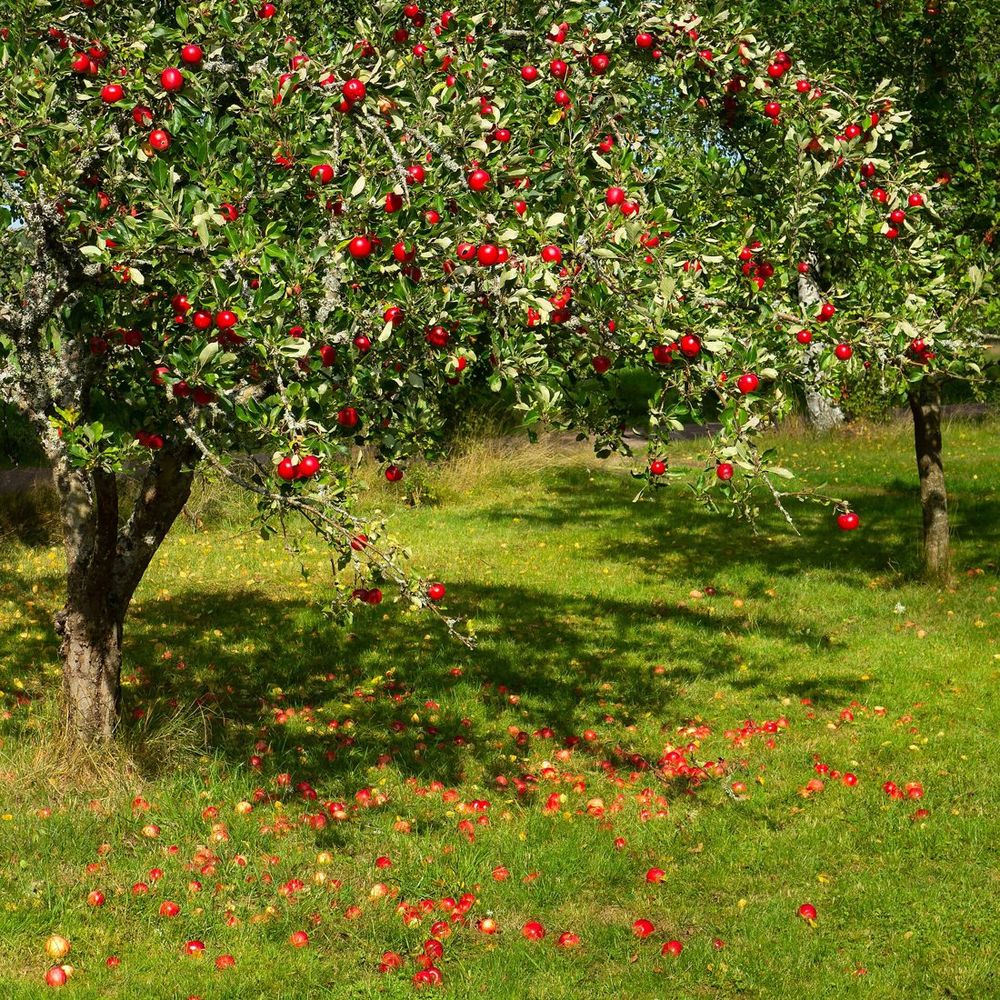
Photo: W.carter, CC0, via Wikimedia Commons

- Sun
- Full sun
- Soil
- Deep, well-drained loam
- Soil pH
- About 5.8-7.0
- Water
- About 1 in per week, May-Oct
- Hardiness
- USDA zones 4-9; some cold-climate cultivars to zones 3-4. Chill requirement varies
- Height and spread
- Standard trees 15-30 ft or more; semi-dwarf 14-18 ft; dwarf 8-15 ft
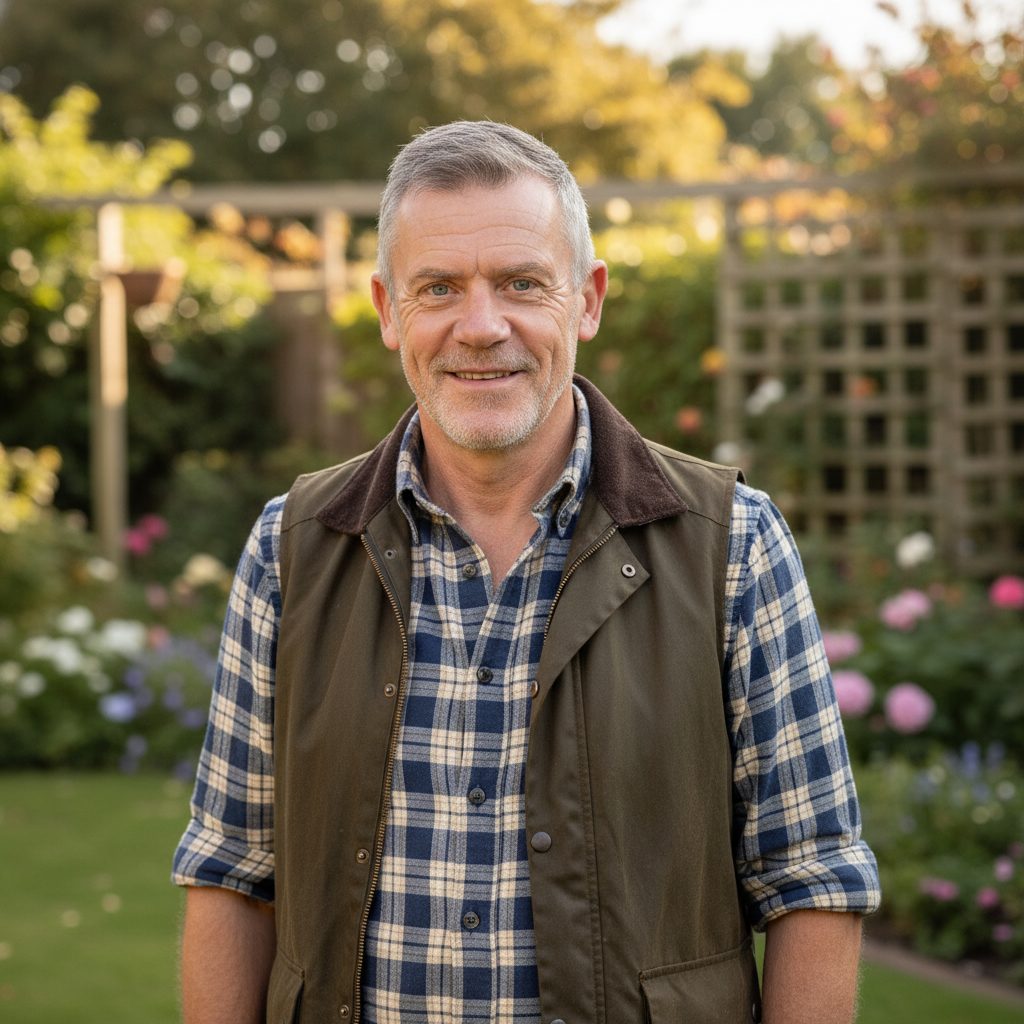
Guv's tipPrune apple trees in late winter while they're dormant. Rake the leaves to fight scab, and remove the seeds and core before sharing fruit with dogs.
Through the year
Months are a rough guide. Time it by your own frost dates.
When to plant
Early spring (Mar-May) for bare-root trees; fall in mild regions
Harvest or flowering
Blooms Apr-May; harvest Aug-Oct
Pruning
Prune in late winter while dormant, to a central leader or open structure
Making more plants
Grafting onto rootstocks
Watch out for
Codling moth
Look for: Wormy fruit with frass-filled entry holes
What to do: Bag young fruit, prompt removal of infested/dropped fruit, traps to time sprays, insecticide timed to egg hatch
Apple maggot
Look for: Dimpled fruit with brown tunnels
What to do: Sticky red sphere traps, bagging young fruit, pick up and discard fallen fruit
Apple scab
Venturia inaequalisLook for: Olive-black spots on leaves and fruit
What to do: Resistant cultivars, rake leaves
Fire blight
Erwinia amylovoraLook for: Shepherd's-crook blackened shoots
What to do: Prune 8-12 in below infection in dry weather
Cedar-apple rust
Gymnosporangium juniperi-virginianaeLook for: Orange leaf spots
What to do: Resistant cultivars
Always read and follow the label on any treatment, and check it is approved for use where you live.
Safety and spread
Pets and people: Stems, leaves and seeds contain cyanogenic glycosides and are toxic to dogs, cats and horses (ASPCA). The fruit flesh is safe, but remove the seeds and core
Weed risk: None known
Growing somewhere else? See this plant for the UK.
The Plant Doctor and the Guv's book
Printable pest and disease charts with real photographs, and all 50 USA plants in one book.