 Guv's Gardens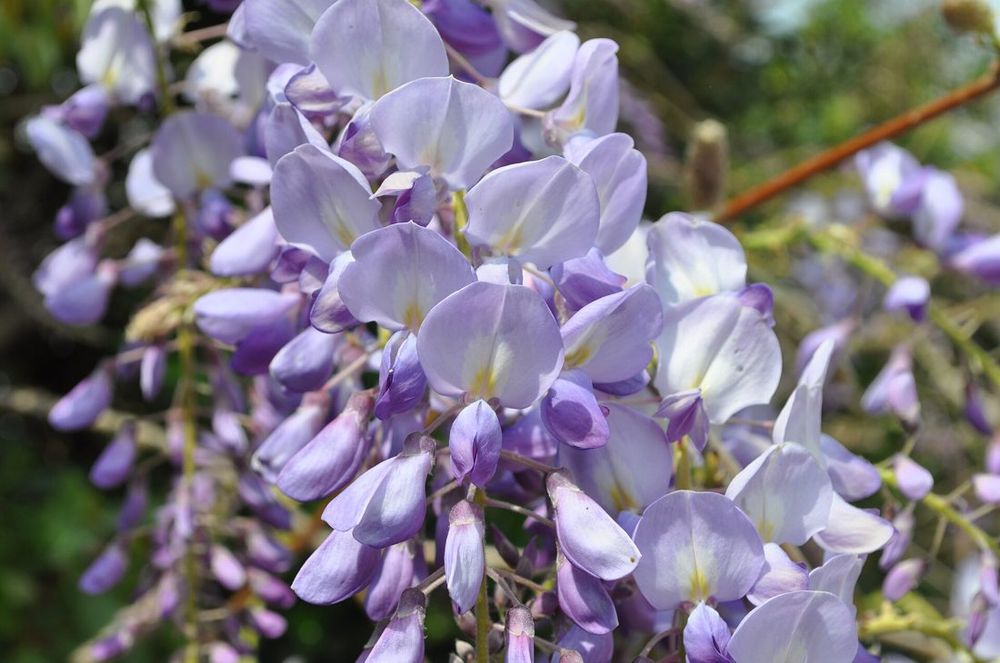
Photo: Josep Gesti, CC BY-SA 4.0, via Wikimedia Commons

- Sun
- Full sun
- Soil
- Fertile, moist but well-drained
- Soil pH
- Tolerates acid, neutral or alkaline soil
- Water
- Water well in dry periods
- Hardiness
- Fully hardy
- Height and spread
- Up to 10m in trees
Guv's tipWisteria wants pruning twice a year, in July-August and January-February. Do both, and you won't go far wrong.
Through the year
Timings are for the UK as a whole. Northern and exposed gardens often run a couple of weeks later.
When to plant
Autumn or spring (Oct-Apr)
Flowering
Flowers in spring (May-Jun)
Pruning
Prune twice a year: Jul-Aug and Jan-Feb
Making more plants
Layering; seed is possible but slow to flower
Watch out for
Birds (e.g. pigeons) and mice
Look for: Flower buds stripped or shredded in late winter/spring
What to do: Netting; traps for mice
Scale insects
Look for: Flat brown scales on stems and leaves, honeydew
What to do: Wipe off, encourage natural enemies
Honey fungus
Armillaria spp.Look for: White fungal sheets under bark at the base, dieback, bootlace-like strands. Susceptibility of wisteria varies: occasional
What to do: Remove infected plants including roots; physical root barriers
Phytophthora root rot
Phytophthora spp.Look for: Wilting, dieback, dark decayed roots
What to do: Improve drainage; remove affected plants
Powdery mildew
Various (Erysiphales)Look for: Irregular brown blotches with yellow margins on leaves; white powdery growth
What to do: Water in dry spells, mulch, improve air flow, resistant cultivars
Always read and follow the label on any treatment, and check it is approved for use where you live.
Safety and spread
Pets and people: Toxic to dogs, cats and horses (lectin, wisterin glycoside), causing vomiting and diarrhoea, according to the ASPCA
Weed risk: None known
The Plant Doctor and the Guv's book
Printable pest and disease charts with real photographs, and all 50 UK plants in one book.