 Guv's Gardens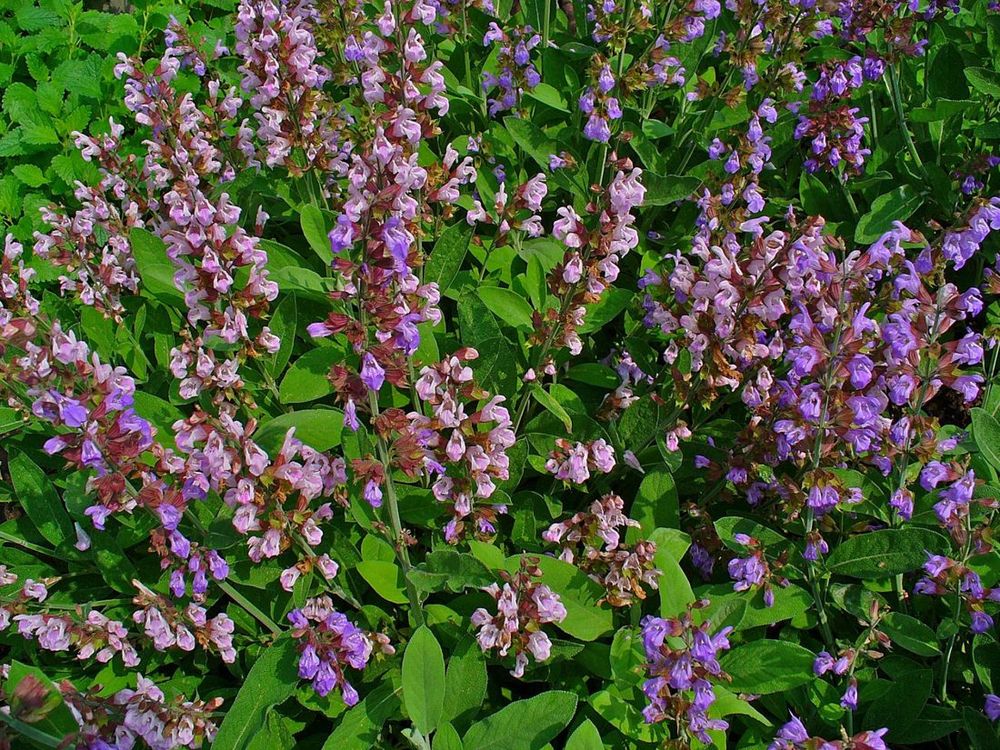
Photo: H. Zell, CC BY-SA 3.0, via Wikimedia Commons

- Sun
- Full sun
- Soil
- Free-draining
- Soil pH
- Tolerates acid, neutral or alkaline soil; best around neutral (about pH 6.0-7.0, up to 8.0)
- Water
- Drought tolerant
- Hardiness
- Hardy
- Height and spread
- 60cm
Guv's tipSage is drought tolerant and likes free-draining soil. Give it a trim after flowering and you can harvest it all year round.
Through the year
Timings are for the UK as a whole. Northern and exposed gardens often run a couple of weeks later.
When to plant
Sow Mar-May. Plant Mar-Jul
Harvest or flowering
Harvest all year
Pruning
Trim after flowering
Making more plants
Softwood cuttings, layering
Watch out for
Capsid bugs
Look for: Small ragged holes in young leaves, distorted flowers
What to do: Usually tolerated; clear debris in winter
Rosemary beetle
Look for: Metallic green-purple striped beetles and grey larvae eating leaves
What to do: Hand-pick or shake onto newspaper; tolerate light damage
Sage and Ligurian leafhoppers
Look for: Pale mottled patches on upper leaf surfaces
What to do: Usually tolerable; no action normally needed
Powdery mildew
Various (Erysiphales)Look for: White powdery coating on leaves
What to do: Water in dry spells, mulch, improve air flow, resistant cultivars
Always read and follow the label on any treatment, and check it is approved for use where you live.
Safety and spread
Pets and people: Non-toxic to dogs, cats and horses, according to the ASPCA. Cats Protection lists sage/salvia as safe
Weed risk: None known
The Plant Doctor and the Guv's book
Printable pest and disease charts with real photographs, and all 50 UK plants in one book.