 Guv's Gardens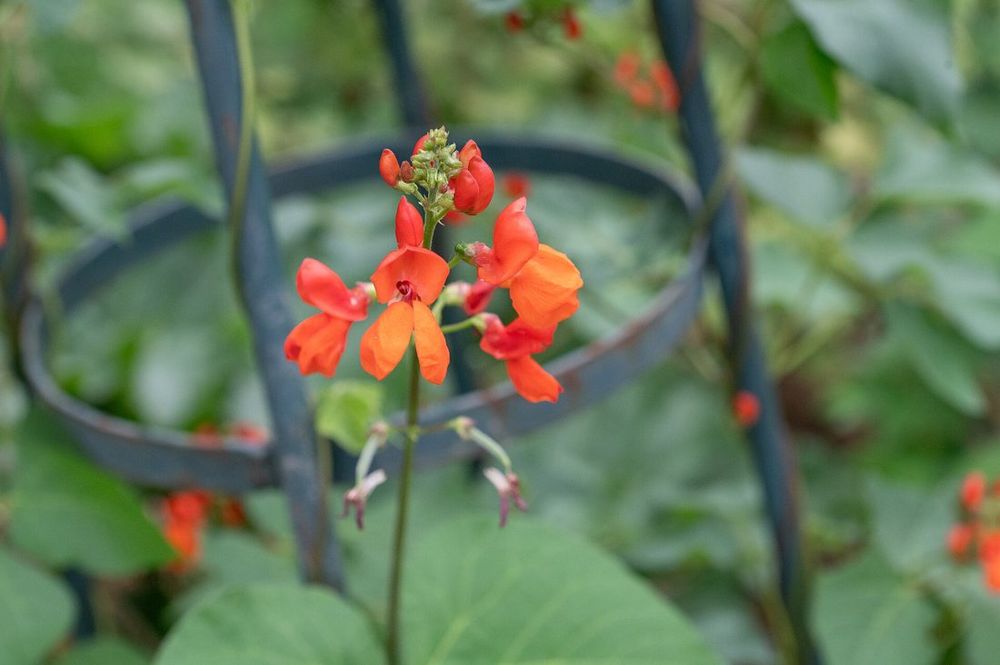
Photo: Mickaël Schauli, CC BY-SA 4.0, via Wikimedia Commons

- Sun
- Full sun, sheltered
- Soil
- Rich, moisture-retentive, well-drained
- Soil pH
- Neutral, about pH 6.0-7.5
- Water
- Water generously, especially at flowering to help pods set
- Hardiness
- Tender (frost-tender)
- Height and spread
- Climbing to 2.4m or more

Guv's tipWater runner beans generously, especially at flowering, to help the pods set. And pinch the tops out once they reach the top of the supports.
Through the year
Timings are for the UK as a whole. Northern and exposed gardens often run a couple of weeks later.
When to plant
Sow indoors Apr-May. Sow outdoors mid/late May-early Jul once soil is 12°C. Plant out late May-early Jun after the last frost
Harvest or flowering
Harvest Jul-Oct
Pruning
Pinch out tops when they reach the top of supports
Making more plants
Seed
Watch out for
Blackfly (black bean aphid)
Look for: Dense black aphid colonies on shoot tips
What to do: Pinch out infested tips, encourage predators, wash off
Glasshouse red spider mite
Look for: Fine mottling of leaves, fine webbing, leaf yellowing
What to do: Raise humidity, biological control Phytoseiulus persimilis under glass
Slugs and snails
Look for: Irregular holes in leaves, slime trails, seedlings eaten
What to do: Hand-pick at night, barriers, beer traps, encourage predators; ferric phosphate pellets sparingly
Runner and French bean rust
Uromyces appendiculatusLook for: Rusty brown pustules on leaves
What to do: Remove affected leaves, clear debris at end of season
Always read and follow the label on any treatment, and check it is approved for use where you live.
Safety and spread
Pets and people: Raw or undercooked beans contain the lectin phytohaemagglutinin and can cause vomiting and diarrhoea. Cook before eating. Not on the ASPCA list
Weed risk: None known
The Plant Doctor and the Guv's book
Printable pest and disease charts with real photographs, and all 50 UK plants in one book.