 Guv's Gardens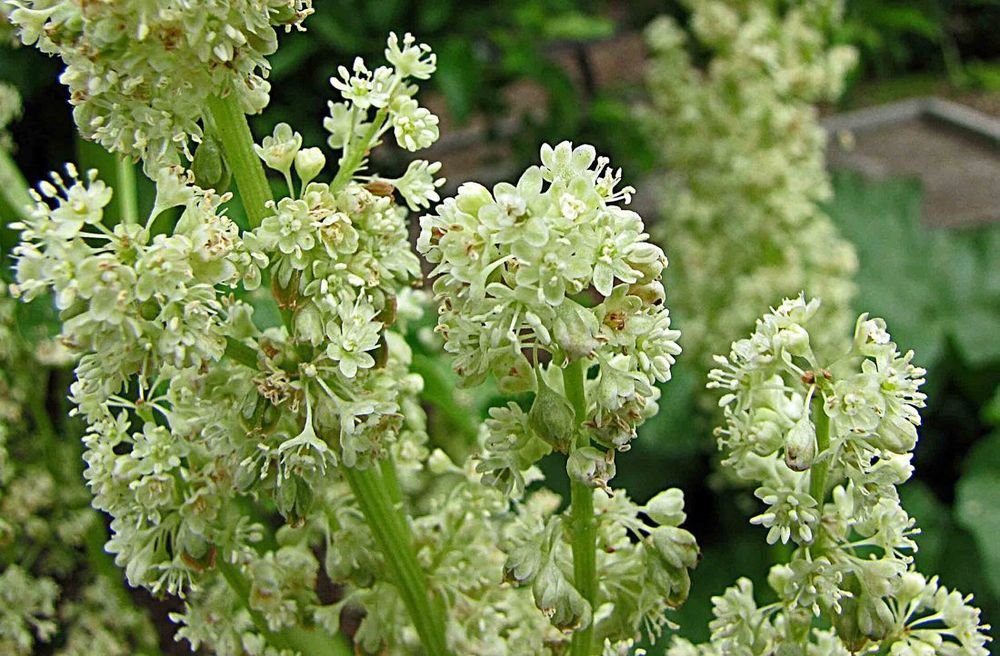
Photo: 阿橋 HQ, CC BY-SA 2.0, via Wikimedia Commons
.jpg)
- Sun
- Full sun, or an open sunny or partially shaded site
- Soil
- Fertile, well-drained, moisture-retentive, enriched with organic matter
- Soil pH
- No specific pH requirement; grows in a wide range of fertile, well-drained garden soils
- Water
- Water during prolonged dry periods
- Hardiness
- Fully hardy
- Height and spread
- Up to 75-80cm high × 0.8-1m or more wide (some cultivars larger)
Guv's tipDon't harvest rhubarb in its first season. And remember, only the stalks are safe to eat; the leaves are poisonous.
Through the year
When to plant
Plant crowns Nov-Mar, ideally Nov-Dec (late autumn); spring planting is also possible
Harvest or flowering
Harvest stalks from Mar/Apr (early cultivars) to Jul/Aug; forced stalks earlier. Do not harvest in the first season
Pruning
Remove flower stalks as soon as they appear
Making more plants
Division of crowns about every 5 years (main method); seed in spring
Watch out for
Honey fungus
Armillaria spp.Look for: White sheets of fungus under the bark or crown at the base, black bootlace-like strands, decay and sudden death
What to do: No chemical control. Dig out and destroy affected crowns with their roots, and replace the soil before replanting; physical root barriers
Always read and follow the label on any treatment, and check it is approved for use where you live.
Safety and spread
Pets and people: Leaves are poisonous (soluble oxalates): toxic to dogs, cats and horses, according to the ASPCA, and to people if eaten in quantity. Stalks are safe to eat
Weed risk: Not listed as an invasive plant in Great Britain or on the GB invasive alien species list (Chilean rhubarb, Gunnera tinctoria, is listed, but it is a different plant)
The Plant Doctor and the Guv's book
Printable pest and disease charts with real photographs, and all 50 UK plants in one book.