 Guv's Gardens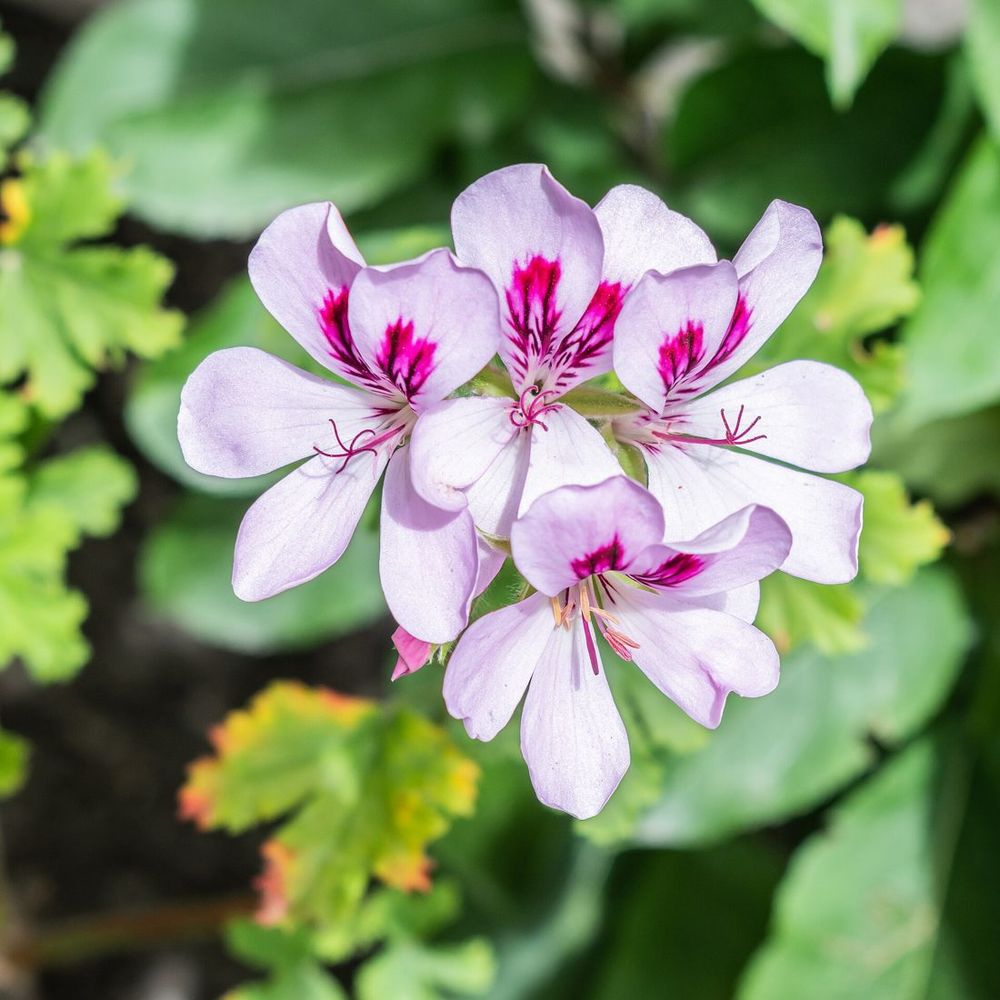
Photo: Krzysztof Golik, CC BY-SA 4.0, via Wikimedia Commons
.jpg)
- Sun
- Full sun
- Soil
- Fertile, well-drained; peat-free compost in pots
- Soil pH
- Tolerates any garden soil (acid, neutral or alkaline); benefits from neutral to alkaline
- Water
- Drought tolerant; water when the compost dries
- Hardiness
- Tender, RHS H1C; overwinter frost-free
- Height and spread
- 20-60cm (zonal types 10-50cm)
Guv's tipPelargoniums are drought tolerant, so only water when the compost dries. Cut them back in autumn before you overwinter them.
Through the year
Timings are for the UK as a whole. Northern and exposed gardens often run a couple of weeks later.
When to plant
Plant out late May-Jun after frosts (Apr-May under cover); later (early-mid Jun) in Scotland
Flowering
Flowers May/Jun-Oct
Pruning
Cut back in autumn before overwintering; pinch out tips in late winter
Making more plants
Softwood cuttings spring to autumn; seed (zonal F1/F2)
Watch out for
Glasshouse whitefly
Look for: Tiny white flying insects under leaves, honeydew and sooty mould
What to do: Yellow sticky traps, biological control Encarsia formosa under glass
Grey mould
Botrytis cinereaLook for: Fuzzy grey mould on flowers, fruit or stems, rotting
What to do: Remove affected parts, improve ventilation, avoid overcrowding
Pelargonium rust
Puccinia pelargonii-zonalisLook for: Brown pustules under leaves, yellow spots above
What to do: Remove affected leaves, avoid overhead watering
Always read and follow the label on any treatment, and check it is approved for use where you live.
Safety and spread
Pets and people: Mildly toxic: Pelargonium is listed as toxic to dogs, cats and horses by the ASPCA, causing vomiting, loss of appetite and dermatitis. Low severity; cats are the most sensitive
Weed risk: Not listed as an invasive plant in Great Britain; tender, not invasive in the UK
Growing somewhere else? See this plant for Australia.
The Plant Doctor and the Guv's book
Printable pest and disease charts with real photographs, and all 50 UK plants in one book.