 Guv's Gardens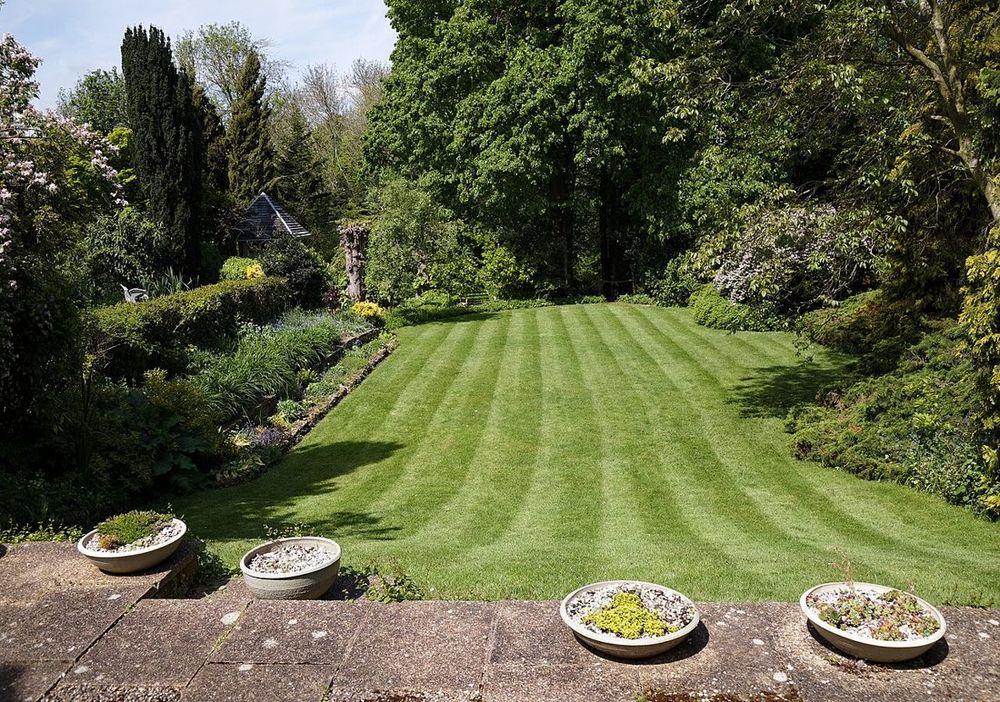
Photo: Acabashi, CC BY-SA 4.0, via Wikimedia Commons

- Sun
- Full sun to part shade (shade-tolerant mixes available)
- Soil
- Well-prepared, firm, free-draining topsoil
- Soil pH
- Slightly acid, roughly pH 5.8-7.0. Perennial ryegrass tolerates acid to alkaline soil
- Water
- Keep newly sown lawns consistently moist. Established lawns recover from summer drought browning
- Hardiness
- Hardy cool-season grasses that overwinter outdoors throughout the UK
- Height and spread
- Mowing height: fine lawns 0.6-1.3cm, standard lawns about 2.5cm (summer) to 4cm. Some advice suggests 4-6cm
Guv's tipNever take more than a third of the leaf height off in one mow. Your lawn will thank you for the patience, I promise.
Through the year
Timings are for the UK as a whole. Northern and exposed gardens often run a couple of weeks later.
When to plant
Sow Sep-Nov (autumn, best) or Mar-Apr (mid-spring)
Harvest or flowering
Mowing season roughly Mar-Oct; final cuts can run into Nov
Pruning
Mow regularly, never removing more than a third of the leaf height at once
Making more plants
Seed or turf
Watch out for
Leatherjackets / chafer grubs
Look for: Yellow-brown patches, birds and badgers digging turf
What to do: Nematode biological controls at appropriate season
Red thread
Laetisaria fuciformisLook for: Pinkish-red patches in turf in late summer/autumn
What to do: Feed with nitrogen, scarify and aerate
Always read and follow the label on any treatment, and check it is approved for use where you live.
Safety and spread
Pets and people: Not listed as toxic or non-toxic by the ASPCA, and no poison data is given by NC State University's plant toolbox
Weed risk: None known
The Plant Doctor and the Guv's book
Printable pest and disease charts with real photographs, and all 50 UK plants in one book.