 Guv's Gardens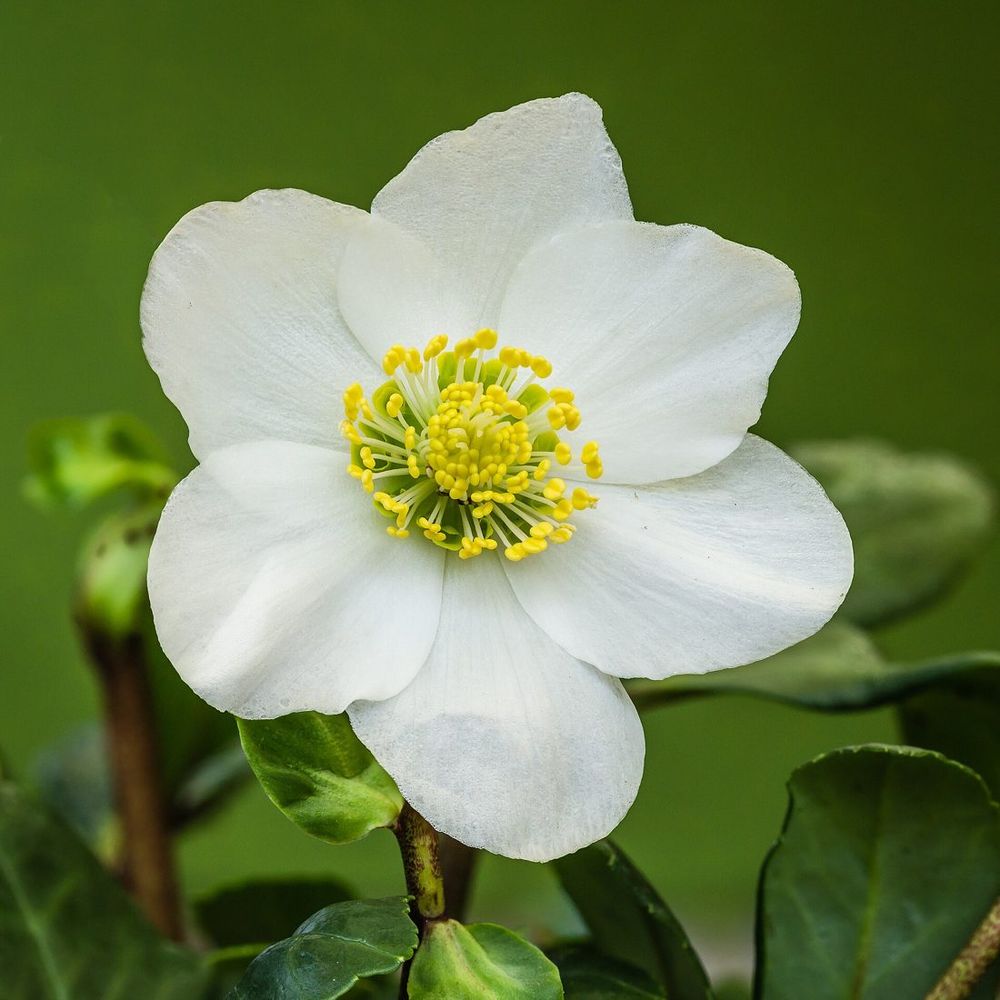
Photo: Dominicus Johannes Bergsma, CC BY-SA 4.0, via Wikimedia Commons
_16-12-2021._(d.j.b)_02.jpg)
- Sun
- Part shade
- Soil
- Moist, free-draining
- Soil pH
- Neutral to alkaline
- Water
- Keep moist
- Hardiness
- Mostly hardy
- Height and spread
- 30-60cm

Guv's tipHellebores are toxic to pets and people if eaten, and the sap may irritate skin. Cut back the old leaves in late winter or early spring.
Through the year
When to plant
Autumn to spring is best (Apr-Jul in some advice)
Harvest or flowering
Flowers late winter to spring
Pruning
Cut back old leaves of H. × hybridus in late winter or early spring
Making more plants
Division in early autumn, seed
Watch out for
Hellebore leaf miner
Look for: Brownish-black blotch mines that become winding tunnels, mainly on Helleborus foetidus
What to do: Remove damaged leaves in winter
Aphids
Look for: Colonies of small green/black insects on shoot tips, sticky honeydew, distorted leaves
What to do: Squash or wash off, encourage ladybirds and other predators; insecticidal soap if severe
Hellebore leaf spot
Microsphaeropsis helleboriLook for: Brown/black spots on leaves and stems
What to do: Remove and dispose of affected leaves
Hellebore black death
Helleborus net necrosis virusLook for: Black streaks and netting on leaves and flowers
What to do: Destroy affected plants; control aphids
Always read and follow the label on any treatment, and check it is approved for use where you live.
Safety and spread
Pets and people: Toxic to dogs, cats, horses and people if eaten (cardiac glycosides), according to the ASPCA. Sap may irritate skin
Weed risk: None known
The Plant Doctor and the Guv's book
Printable pest and disease charts with real photographs, and all 50 UK plants in one book.