 Guv's Gardens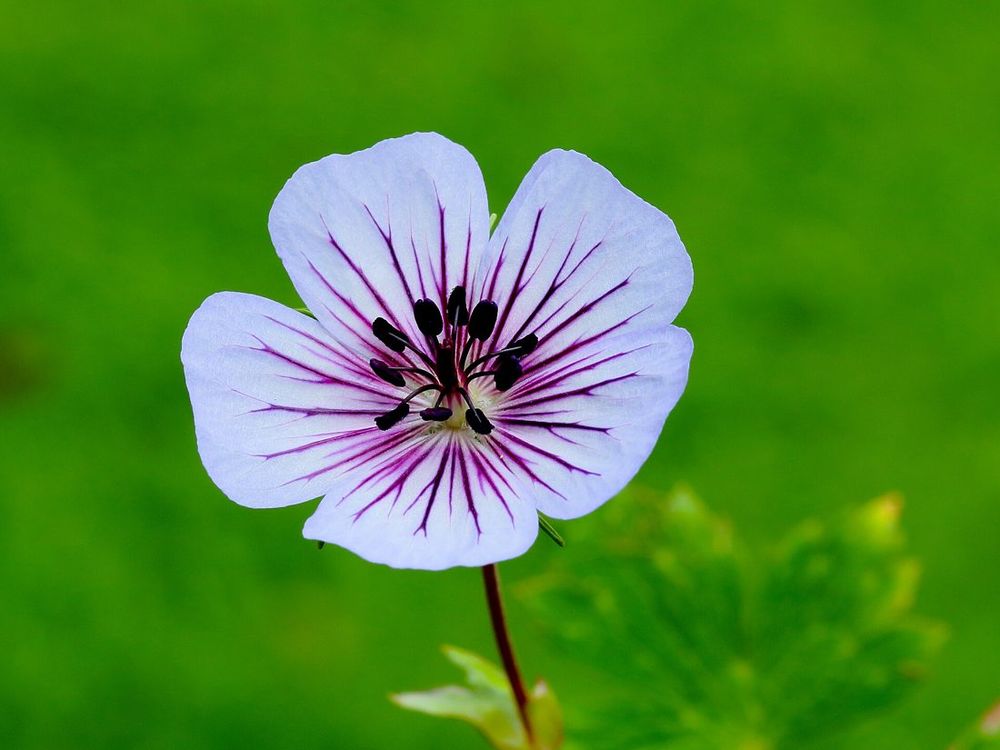
Photo: Dominicus Johannes Bergsma, CC BY-SA 4.0, via Wikimedia Commons

- Sun
- Sun or shade depending on species; most thrive in light shade, alpines in full sun
- Soil
- Most garden soils that are not waterlogged in winter
- Soil pH
- Not pH-fussy: acid, neutral or alkaline
- Water
- Water during establishment
- Hardiness
- Mostly fully hardy
- Height and spread
- Typically 30-50cm
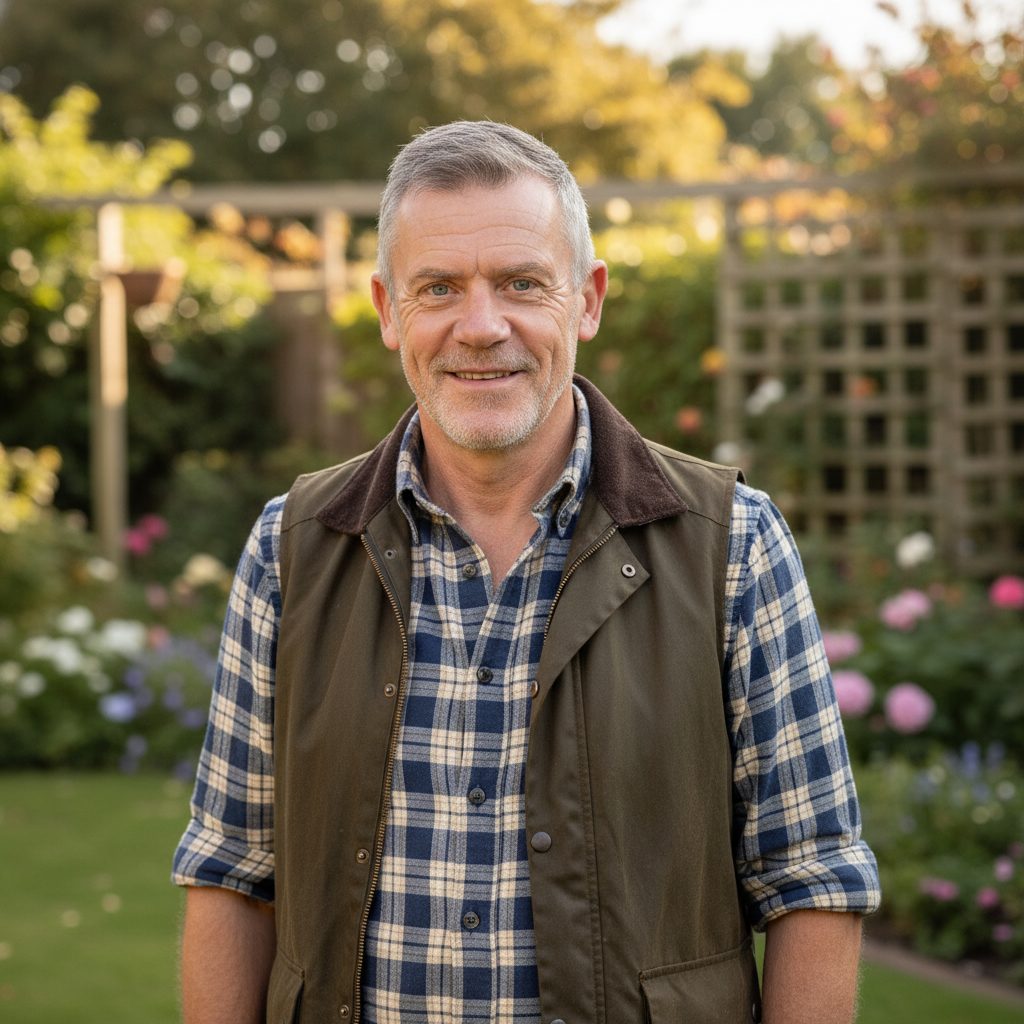
Guv's tipCut hardy geraniums back after flowering and you'll get lovely fresh foliage. Division in spring or autumn is the main way to make more.
Through the year
When to plant
Container plants any time if the soil is not waterlogged; spring is best
Harvest or flowering
Flowers late spring through summer (Apr-Sep)
Pruning
Cut back after flowering for fresh foliage
Making more plants
Division (main method, spring or autumn), stem or rhizome cuttings, seed for species
Watch out for
Vine weevil
Look for: Notched leaf edges (adults); C-shaped grubs eat roots, plants wilt and collapse
What to do: Nematode drench (Steinernema kraussei) in late summer/autumn, pick off adults at night
Always read and follow the label on any treatment, and check it is approved for use where you live.
Safety and spread
Pets and people: Low. Gardeners' World reports no toxic effects for Geranium 'Rozanne'; Cats Protection lists cranesbill as 'caution advised' (possible skin irritation). Neither reports serious poisoning. Not to be confused with Pelargonium (listed as 'geranium' by the ASPCA, and toxic)
Weed risk: Not listed as an invasive plant in Great Britain or on the GB invasive alien species list
The Plant Doctor and the Guv's book
Printable pest and disease charts with real photographs, and all 50 UK plants in one book.