 Guv's Gardens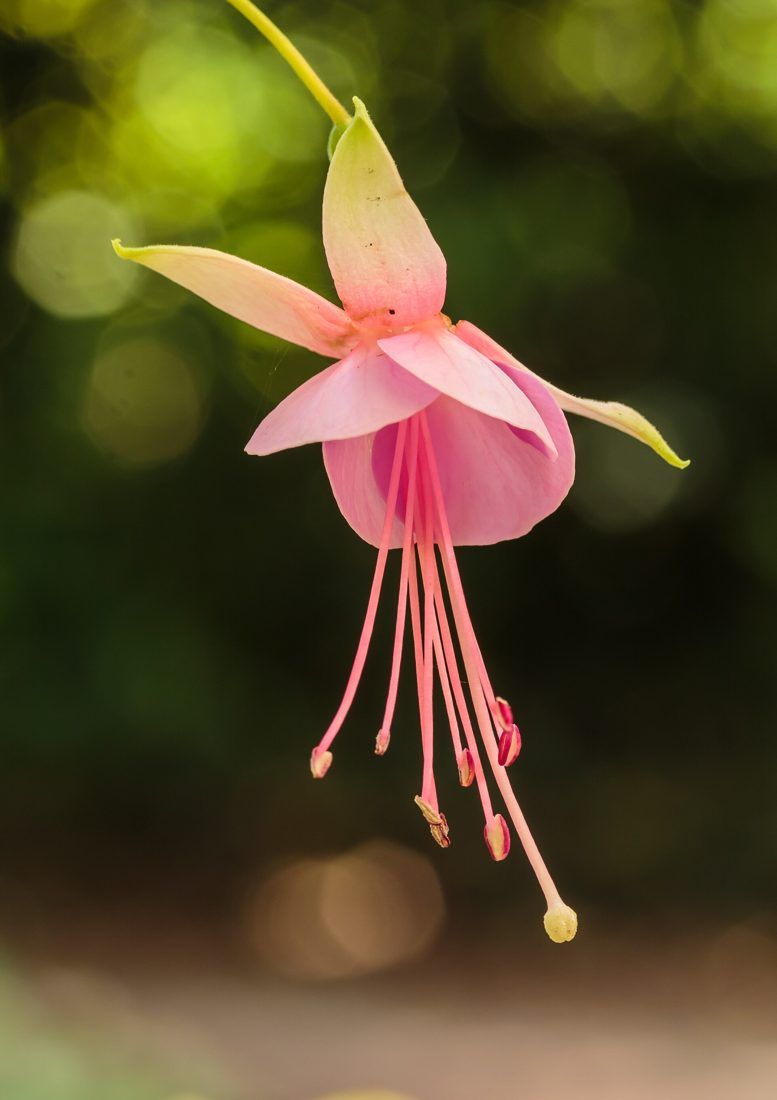
Photo: Dominicus Johannes Bergsma, CC BY-SA 4.0, via Wikimedia Commons

- Sun
- Full sun to part shade
- Soil
- Moist, fertile, well-drained
- Soil pH
- Tolerates acid, neutral or alkaline soil
- Water
- Keep moist
- Hardiness
- Hardy types survive in most UK areas
- Height and spread
- 30cm-1.5m

Guv's tipKeep fuchsias moist and trim off dead shoots in spring. They'll flower from midsummer right through to the first frosts.
Through the year
When to plant
Early summer (Apr-May in some advice)
Harvest or flowering
Flowers midsummer to the first frosts
Pruning
Trim dead shoots in spring
Making more plants
Hardwood or softwood cuttings
Watch out for
Glasshouse whitefly
Look for: Tiny white flying insects under leaves, honeydew and sooty mould
What to do: Yellow sticky traps, biological control Encarsia formosa under glass
Vine weevil
Look for: Notched leaf edges (adults); C-shaped grubs eat roots, plants wilt and collapse
What to do: Nematode drench (Steinernema kraussei) in late summer/autumn, pick off adults at night
Fuchsia gall mite
Look for: Distorted, thickened shoot tips and flowers
What to do: Cut out and dispose of affected growth
Aphids
Look for: Colonies of small green/black insects on shoot tips, sticky honeydew, distorted leaves
What to do: Squash or wash off, encourage ladybirds and other predators; insecticidal soap if severe
Always read and follow the label on any treatment, and check it is approved for use where you live.
Safety and spread
Pets and people: Non-toxic. Gardeners' World reports no toxic effects for Fuchsia magellanica; Cats Protection lists fuchsia as safe; the ASPCA lists Fuchsia triphylla as non-toxic. The berries are edible
Weed risk: None known
The Plant Doctor and the Guv's book
Printable pest and disease charts with real photographs, and all 50 UK plants in one book.