 Guv's Gardens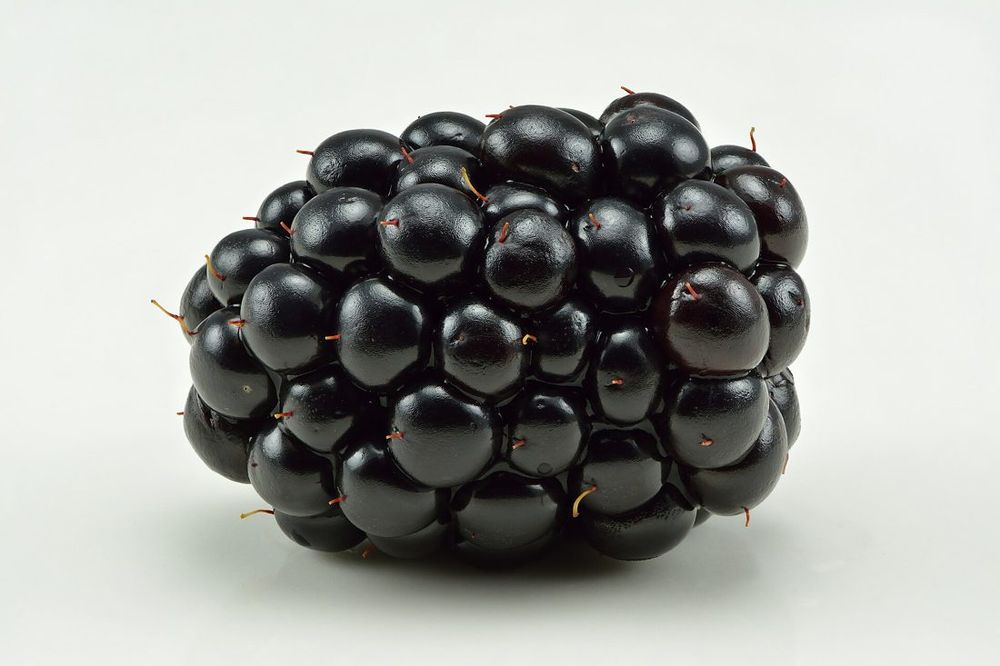
Photo: Ivar Leidus, CC BY-SA 4.0, via Wikimedia Commons
.jpg)
- Sun
- Full sun is best; tolerates light shade
- Soil
- Fertile, well-drained; avoid waterlogging
- Soil pH
- Slightly acid, about pH 5.5-6.5
- Water
- Water in dry spells
- Hardiness
- Fully hardy
- Height and spread
- Vigorous types to 4m wide, moderate types 2.5m; compact cultivars about 1-1.2m
Guv's tipTip layering is the trick for more blackberries: root the shoot tips into the soil in mid to late spring. Cut out fruited canes after harvest.
Through the year
Timings are for the UK as a whole. Northern and exposed gardens often run a couple of weeks later.
When to plant
Plant bare-root Oct-Mar; pot-grown any time
Harvest or flowering
Harvest Jul-Sep
Pruning
Cut out fruited canes after harvest; tie in new canes
Making more plants
Tip layering: root shoot tips into the soil in mid to late spring. Seed is possible but slow and not true to type
Watch out for
Raspberry beetle
Look for: Larvae in ripe fruit, dried patches at stalk end
What to do: Tolerate minor damage; encourage predators such as birds, hedgehogs and ground beetles; use a host-odour (karimone) trap. No insecticide is recommended
Aphids
Look for: Colonies of small green/black insects on shoot tips, sticky honeydew, distorted leaves
What to do: Squash or wash off, encourage ladybirds and other predators; insecticidal soap if severe
Grey mould
Botrytis cinereaLook for: Fuzzy grey mould on flowers, fruit or stems, rotting
What to do: Remove affected fruit and parts, pick ripe fruit promptly, improve ventilation, avoid overcrowding
Always read and follow the label on any treatment, and check it is approved for use where you live.
Safety and spread
Pets and people: Low or non-toxic. Gardeners' World reports no toxic effects for Rubus fruticosus. Thorns can cause injury
Weed risk: The native bramble can be a weedy garden plant. Not listed as an invasive plant in Great Britain or on the GB invasive alien species list
The Plant Doctor and the Guv's book
Printable pest and disease charts with real photographs, and all 50 UK plants in one book.