 Guv's Gardens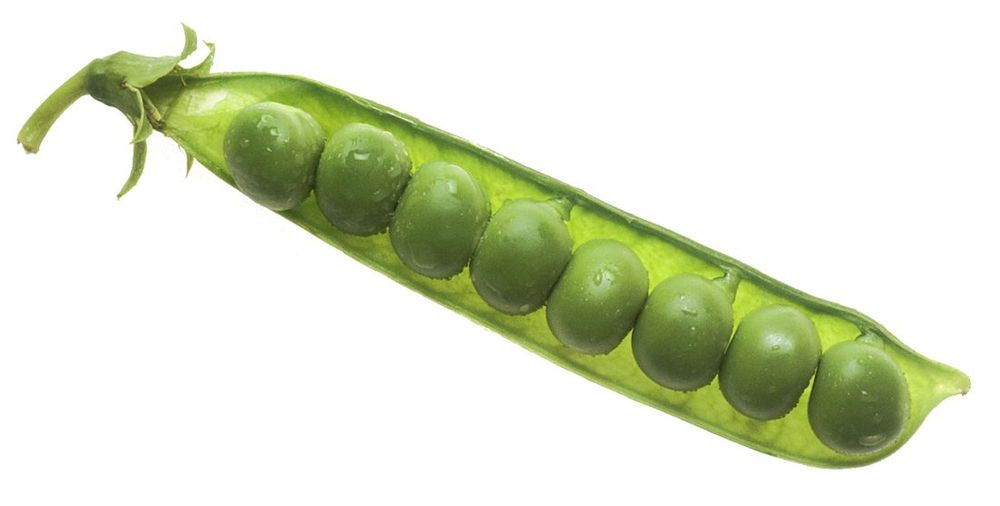
Photo: Renee Comet (photographer) AV Number: AV-9400-4164, Public domain, via Wikimedia Commons

- Sun
- Full sun.
- Soil
- Well-drained.
- Soil pH
- 6.0-7.5.
- Water
- Regular, moderate watering.
- Hardiness
- Cool-season crop suited to all Australian zones (grown in the cooler months).
- Height and spread
- Dwarf types about 45 cm-1 m; climbing types up to about 1.8-2 m (need a trellis).
Guv's tipGive climbing peas a trellis and watch out for snails and slugs. Hand-picking at night and protecting seedlings works a treat.
Through the year
When to plant
Cool areas and Tasmania: March (frost-free) and Aug-Nov. Temperate areas: autumn-winter and late winter-spring. Warm areas: the cooler months.
Harvest or flowering
About 10-16 weeks after sowing.
Pruning
None; provide a trellis for climbing types.
Making more plants
Seed sown direct.
Watch out for
Snails and slugs
Look for: Holes chewed in leaves and seedlings; slime trails.
What to do: Hand-pick at night, protect seedlings, and use a registered snail and slug bait sparingly (e.g. iron-based).
Powdery mildew
Fungal (powdery mildew fungi).Look for: White powdery spots or coating on leaves and stems.
What to do: Give good airflow and sun, water at soil level, remove badly affected leaves, and use a registered fungicide (e.g. sulfur) if needed.
Always read and follow the label on any treatment, and check it is approved for use where you live.
Safety and spread
Pets and people: Garden, snow and sugar snap peas are generally safe for dogs. Do not confuse with ornamental sweet pea (Lathyrus odoratus), which the ASPCA lists as toxic to horses.
Weed risk: Not listed as a weed on Weeds Australia or the Queensland restricted invasive plant list.
The Plant Doctor and the Guv's book
Printable pest and disease charts with real photographs, and all 50 Australia plants in one book.