 Guv's Gardens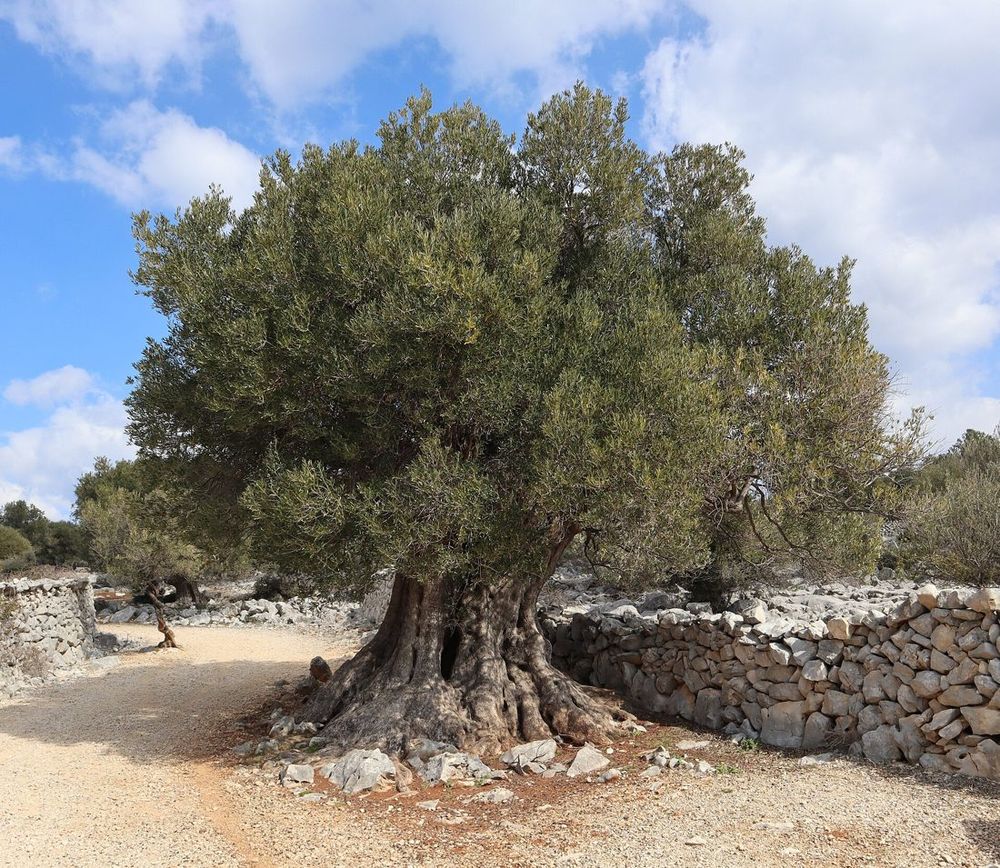
Photo: Palauenc05, CC BY-SA 4.0, via Wikimedia Commons

- Sun
- Full sun (6+ hours).
- Soil
- Well-drained; tolerates poor, low-nutrient soils (better crops in fertile soil).
- Water
- Water regularly until established; then drought-tolerant. Deep weekly watering improves fruiting.
- Hardiness
- Temperate and arid (Mediterranean) climates; needs long, hot, dry summers and cool winters for flowering. Fairly frost-tolerant; not suited to the tropics.
- Height and spread
- 6-10 m.
Guv's tipOlives are drought-tolerant once established, but deep weekly watering improves fruiting. Watch for olive lace bug from early spring.
Through the year
Timings are for temperate Australia. Tropical and arid gardens follow different seasons.
Harvest or flowering
Flowers early spring; harvest mid-autumn to early winter (about Apr-Jun). Fruits from 3-5 years.
Pruning
Formative open-vase pruning when young. Light winter pruning of dead, low and crossing branches and suckers; light pruning after fruiting.
Making more plants
Semi-ripe cuttings in late summer (also seed, which does not come true for named cultivars).
Watch out for
Olive lace bug
Look for: Sap-sucking bugs under leaves; yellow stippling or spotting, browning and leaf drop. Can defoliate young trees.
What to do: Monitor from early spring and act promptly. Spray leaf undersides thoroughly (e.g. horticultural oil or pyrethrum) and open up the canopy by pruning.
Peacock spot (olive leaf spot, olive scab)
Venturia oleaginea (Spilocaea oleaginea)Look for: Sooty blotches that become dark circular leaf spots, sometimes with a yellow halo; leaves yellow and drop early.
What to do: Spray copper fungicide in late autumn ahead of wet-season infection; repeat in early winter if severe. Collect fallen leaves.
Always read and follow the label on any treatment, and check it is approved for use where you live.
Safety and spread
Pets and people: Not listed as toxic by the ASPCA or University of California pet-poison lists.
Weed risk: DECLARED in South Australia as wilding (feral) olives: sale of wild plants is banned; planted, maintained trees are exempt. A major environmental weed in South Australia and Victoria (not a declared weed in Victoria). African olive (subsp. cuspidata) is a separate major weed in NSW.
The Plant Doctor and the Guv's book
Printable pest and disease charts with real photographs, and all 50 Australia plants in one book.