 Guv's Gardens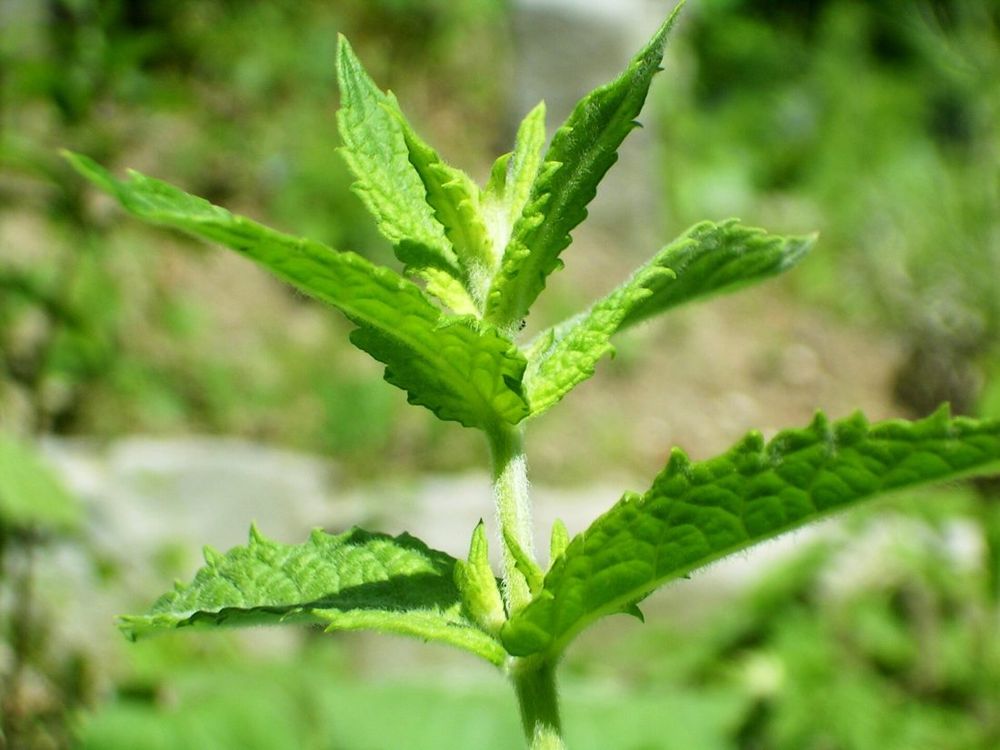
Photo: Simon Eugster --Simon 13:07, 2 July 2006 (UTC), CC BY-SA 3.0, via Wikimedia Commons

- Sun
- Part shade to full sun.
- Soil
- Moist, well-drained and fertile.
- Soil pH
- Around neutral (about 6.0-7.5).
- Water
- Water regularly; thrives in moist conditions.
- Hardiness
- All Australian climate zones.
- Height and spread
- About 30-60 cm; spreads indefinitely by underground stems (rhizomes).
Guv's tipMint thrives in moist conditions. Remove the flower heads or cut back flowered stems to keep the leafy growth coming.
Through the year
Timings are for temperate Australia. Tropical and arid gardens follow different seasons.
When to plant
Spring to autumn (Sep-Nov is the main planting time in temperate areas).
Harvest or flowering
Harvest leaves spring to autumn; remove flower heads to prolong the harvest.
Pruning
Remove flower heads or cut back flowered stems to prolong leafy growth.
Making more plants
Division or cuttings (also seed).
Watch out for
Aphids
Look for: Clusters of small sap-suckers on new growth; curled leaves; sticky honeydew.
What to do: Hose off, encourage natural predators, or use insecticidal soap or a registered pyrethrum spray.
Mint rust
Puccinia menthaeLook for: Dusty orange, yellow, then black spots on leaves; distorted shoots.
What to do: Remove and dispose of affected shoots; replace badly affected plants with clean stock.
Always read and follow the label on any treatment, and check it is approved for use where you live.
Safety and spread
Pets and people: Toxic to dogs, cats and horses (ASPCA): essential oils can cause vomiting and diarrhoea if large amounts are eaten. Other pet-poison lists also advise caution.
Weed risk: Not a declared weed (not listed on Weeds Australia or the Queensland restricted list), but it spreads aggressively by rhizomes - grow it in pots.
The Plant Doctor and the Guv's book
Printable pest and disease charts with real photographs, and all 50 Australia plants in one book.