 Guv's Gardens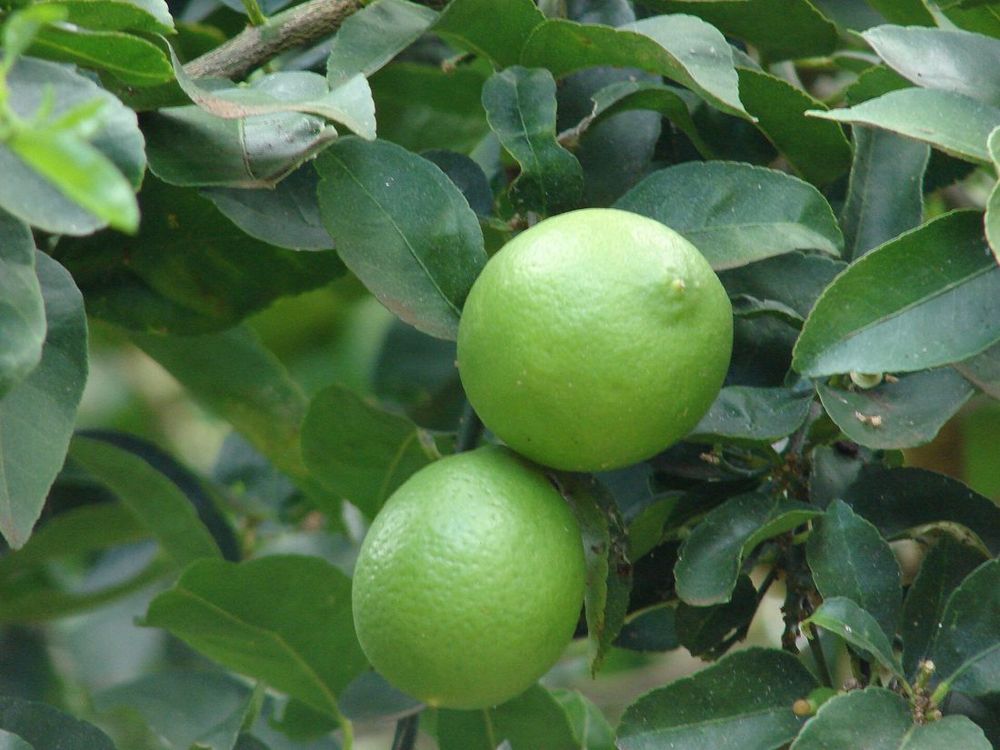
Photo: Forest & Kim Starr, CC BY 3.0, via Wikimedia Commons

- Sun
- Full sun; some afternoon shade is appreciated in hot, dry areas.
- Soil
- Fertile, well-drained and slightly acidic.
- Soil pH
- 6.0-7.0 (neutral to slightly acidic).
- Water
- Keep moderately moist with deep, regular watering; never waterlogged.
- Hardiness
- Tropical, subtropical and warm temperate. Tahitian lime is the most cold-tolerant lime and takes light frost once established (about -1 C); protect young trees.
- Height and spread
- About 2.4-6 m, commonly 3-4 m; dwarf forms 1.5-2 m.

Guv's tipFor citrus leafminer, spray horticultural oil on new growth every 5-14 days during flushes, but not above 35 C. Tahitian limes rarely need pruning.
Through the year
When to plant
Spring (Sep-Nov) in cool climates; spring or autumn (Mar-May) in warm climates.
Harvest or flowering
Fruits autumn to spring (main crop autumn-winter).
Pruning
Usually not required. To control size, prune straight after harvest or in late winter; remove dead wood in late winter.
Making more plants
Grafted onto rootstock (Tahitian lime seedlings do not come true).
Watch out for
Citrus gall wasp
Look for: Woody galls on young shoots.
What to do: Prune out galls before adults emerge in spring (mid-Oct to mid-Dec in the south).
Citrus leafminer
Look for: Silvery squiggly trails; curled, distorted new leaves (spring and late summer-autumn flushes).
What to do: Spray horticultural oil on new growth every 5-14 days during flushes (not above 35 C).
Scale insects
Look for: Immobile bumps on stems, leaves and fruit; honeydew and sooty mould.
What to do: Horticultural oil or a registered pyrethrum spray.
Phytophthora root/collar rot
Phytophthora spp.Look for: Bark gumming or rot at the base; dieback in wet soils.
What to do: Ensure good drainage, keep mulch off the trunk, and avoid overwatering.
Always read and follow the label on any treatment, and check it is approved for use where you live.
Safety and spread
Pets and people: The ASPCA lists lime (Key lime, C. aurantifolia) as toxic to dogs, cats and horses (essential oils, psoralens); treat Tahitian lime the same. The fruit is edible, but peel and plant material can cause vomiting, diarrhoea and dermatitis.
Weed risk: Not a declared weed in Victoria or Queensland.
The Plant Doctor and the Guv's book
Printable pest and disease charts with real photographs, and all 50 Australia plants in one book.