 Guv's Gardens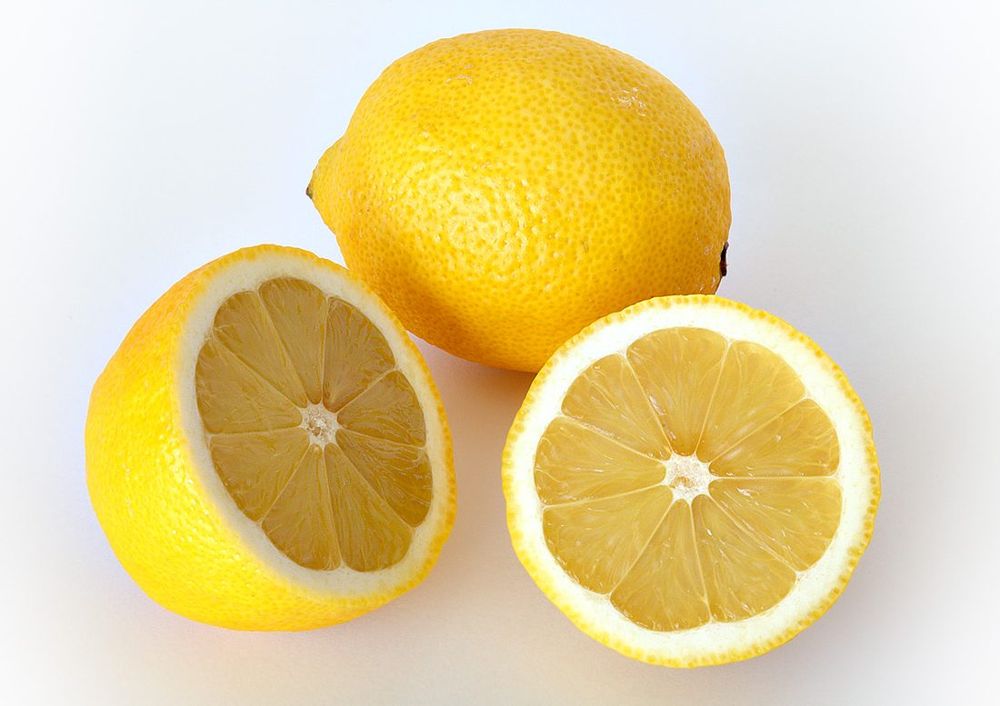
Photo: André Karwath aka Aka, CC BY-SA 2.5, via Wikimedia Commons

- Sun
- Full sun, sheltered from strong wind.
- Soil
- Well-drained and fertile. Tolerates a range of soils but not waterlogging (mound or use a raised bed in heavy clay).
- Soil pH
- Slightly acidic to neutral, about 6.0-7.5.
- Water
- Deep watering once or twice a week (more in pots), letting the topsoil partly dry. Avoid wet feet (root and collar rot).
- Hardiness
- Warm temperate, subtropical and tropical; grown in cooler areas with shelter. Lemons tolerate about -3 C; protect trees under 3 years old from frost ('Meyer' and 'Lisbon' are more cold-tolerant).
- Height and spread
- 3-4 m ('Eureka', 'Lisbon'); dwarf and 'Meyer' about 2 m.

Guv's tipLemons hate wet feet, so in heavy clay, mound or use a raised bed. Water deeply once or twice a week and let the topsoil partly dry.
Through the year
When to plant
Spring (Sep-Nov) in frost-prone areas; early autumn (Mar-Apr) or almost any time in warm, frost-free areas.
Harvest or flowering
Main crop in winter (Jun-Aug); fruit can be picked roughly Feb-Oct. 'Eureka' crops 2-3 times a year. First crop about 3 years after planting.
Pruning
Light pruning after harvest in late winter-early spring. Remove dead, weak or crossing growth and gall-affected shoots.
Making more plants
Nursery trees are grafted onto rootstock (e.g. Carrizo citrange); cuttings are possible.
Watch out for
Citrus gall wasp
Look for: Woody swellings (galls) 1-2 cm thick on young shoots; dieback and smaller crops. Lemons are the most heavily attacked.
What to do: Cut out green galls in winter-early spring, before adults emerge (mid-Oct to mid-Dec in southern areas). Solarise prunings in a sealed bag before binning.
Bronze orange bug (stink bug)
Look for: Shield bugs sucking shoots; wilting, and flower and fruit drop.
What to do: Knock them into soapy water, wearing goggles and gloves (they squirt a caustic fluid). Use a pyrethrum-based spray if severe.
Scale insects
Look for: Immobile waxy bumps on stems and leaves; honeydew and sooty mould.
What to do: Horticultural oil or a registered citrus spray; control attending ants.
Phytophthora root/collar rot
Phytophthora spp.Look for: Dieback, softened blackened roots, and crown or collar rot in wet or poorly drained soil.
What to do: Improve drainage (mound), avoid overwatering, keep mulch off the trunk, and prune dead wood. Use a phosphonate fungicide where registered.
Always read and follow the label on any treatment, and check it is approved for use where you live.
Safety and spread
Pets and people: Toxic to dogs, cats and horses (ASPCA): essential oils and psoralens. The fruit is edible, but peel and plant material can cause vomiting, diarrhoea, depression and dermatitis.
Weed risk: Not a declared weed in Victoria or Queensland.
The Plant Doctor and the Guv's book
Printable pest and disease charts with real photographs, and all 50 Australia plants in one book.