 Guv's Gardens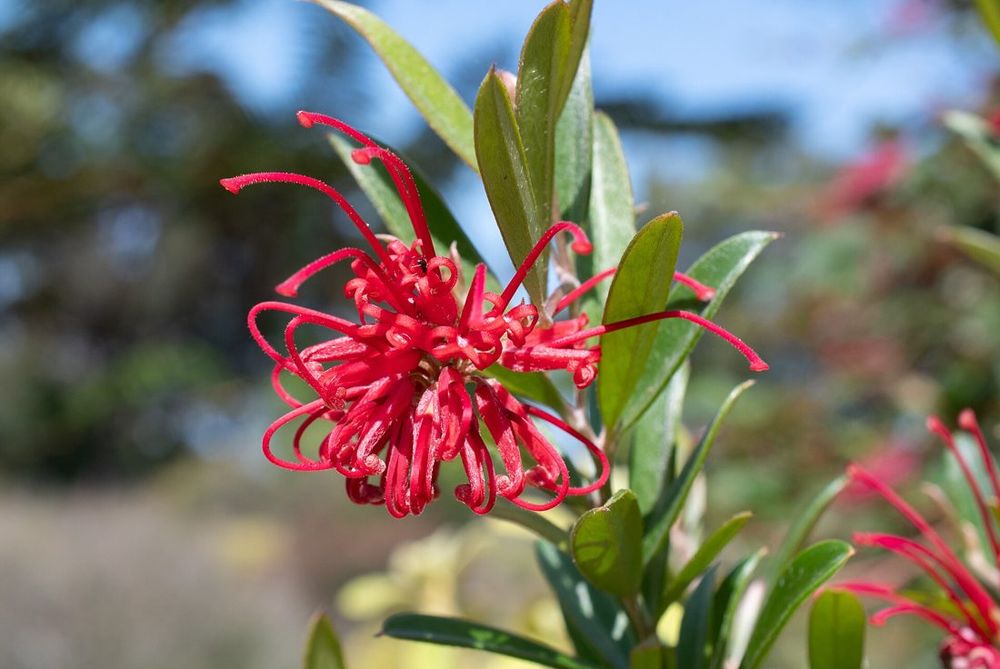
Photo: Lord.of.the.Proterozoic, CC BY-SA 4.0, via Wikimedia Commons

- Sun
- Full sun to half shade.
- Soil
- Well-drained and slightly acidic; avoid phosphorus fertilisers.
- Soil pH
- Acidic, below about 6.5.
- Water
- Low.
- Hardiness
- Tropical to cold climates, depending on species; most are not frost-hardy.
- Height and spread
- From groundcovers to large shrubs and trees (0.2-6 m+).
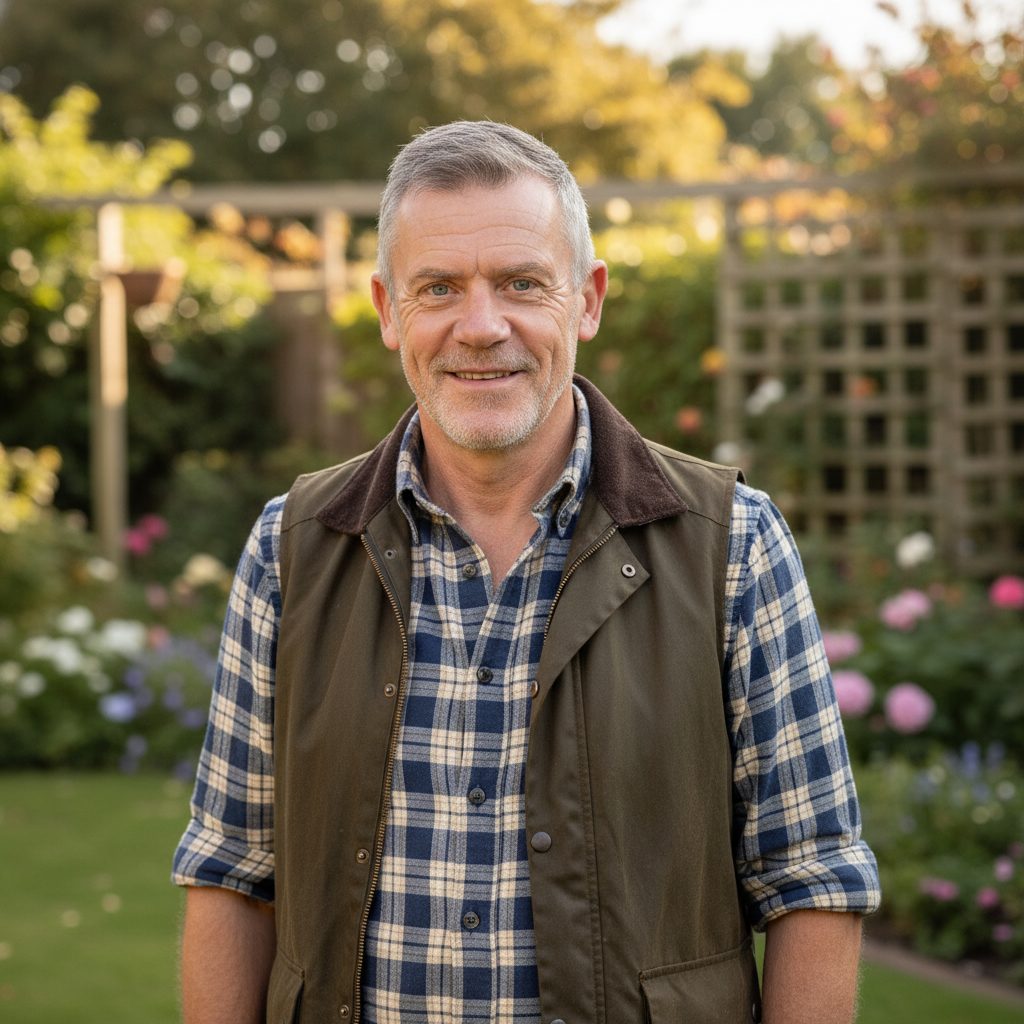
Guv's tipAvoid phosphorus fertilisers on grevilleas. Prune lightly after flowering; regular pruning extends the plant's life. Trust me on this one.
Through the year
When to plant
Any time of year (autumn is generally best for natives; spring in cold, frosty areas).
Harvest or flowering
Long season; many hybrids flower for most of the year.
Pruning
Prune lightly after flowering (often late winter). Cut back about a third after planting; regular pruning extends the plant's life.
Making more plants
Soft tip cuttings (Dec-Mar).
Watch out for
Root rot
Soil-borne root rot linked to poor drainage or overwatering.Look for: The plant collapses or dies soon after planting, or after heavy rain or overwatering.
What to do: Plant in very well-drained soil; avoid heavy clay and overwatering.
Always read and follow the label on any treatment, and check it is approved for use where you live.
Safety and spread
Pets and people: Can cause contact dermatitis in sensitive people (especially 'Robyn Gordon'): resorcinols cause intense itching and blisters 2-3 days after contact.
Weed risk: Not listed as a weed on Weeds Australia or NSW WeedWise.
The Plant Doctor and the Guv's book
Printable pest and disease charts with real photographs, and all 50 Australia plants in one book.