 Guv's Gardens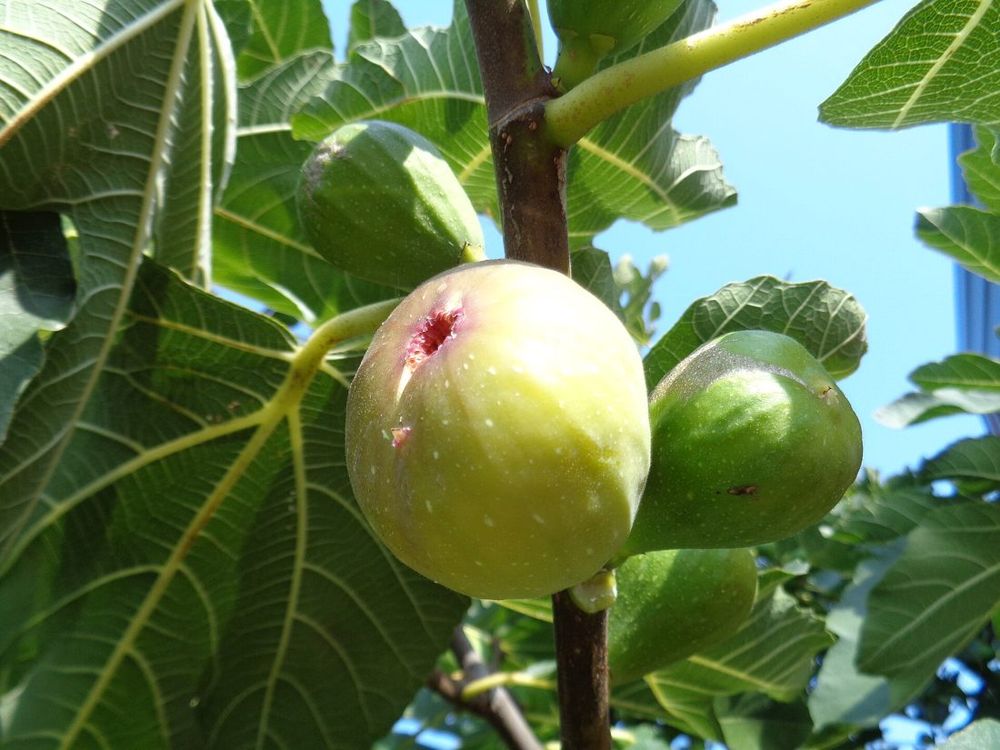
Photo: Silverije, CC BY-SA 4.0, via Wikimedia Commons

- Sun
- Full sun, protected from strong winds.
- Soil
- Very well-drained and adaptable, even poor soils; dislikes waterlogging.
- Soil pH
- Slightly acidic to neutral; add lime if strongly acidic (below pH 6).
- Water
- Deep watering once or twice a week while establishing and when fruiting; drought-tolerant once established.
- Hardiness
- Grown Australia-wide; best in temperate climates with hot, dry summers. Tolerates some frost once established (protect young trees).
- Height and spread
- 3-6 m tall, with a similar spread.
Guv's tipPrune figs lightly in winter, but keep some of the older wood that carries fruit. Mind the milky sap; it can irritate skin.
Through the year
Timings are for temperate Australia. Tropical and arid gardens follow different seasons.
When to plant
Autumn-winter (May-Aug); deciduous bare-root trees from mid-winter.
Harvest or flowering
From mid-summer into autumn (about Dec-Apr). Many varieties bear two crops (early summer and late summer-autumn).
Pruning
Prune lightly in winter while dormant, keeping some of the older wood that carries fruit. Prune harder to renew old trees.
Making more plants
Hardwood cuttings (20-30 cm) in late autumn-winter; layering.
Watch out for
Queensland fruit fly
Look for: Pin-sized stings; larvae in fruit.
What to do: Bait sprays and traps, exclusion bags; destroy infested fruit.
Birds
Look for: Pecked ripe fruit.
What to do: Netting held away from the fruit.
Scale insects
Look for: Lumps on stems and leaves.
What to do: Horticultural oil or a registered citrus and ornamental spray.
Fig rust
Rust fungus.Look for: Rusty-orange spots on leaves; early leaf fall.
What to do: Clean up fallen leaves and give good airflow.
Always read and follow the label on any treatment, and check it is approved for use where you live.
Safety and spread
Pets and people: The milky sap can cause skin irritation and phytophotodermatitis (furanocoumarins/psoralens). The ASPCA lists fig (its entry is Ficus benjamina) as toxic to dogs, cats and horses (ficin, psoralen: gastrointestinal and skin irritation); it has no entry specific to F. carica.
Weed risk: Not a declared weed in Victoria or Queensland, but a high-priority environmental weed of Perth bushland; a weed risk assessment has been done in WA.
The Plant Doctor and the Guv's book
Printable pest and disease charts with real photographs, and all 50 Australia plants in one book.