 Guv's Gardens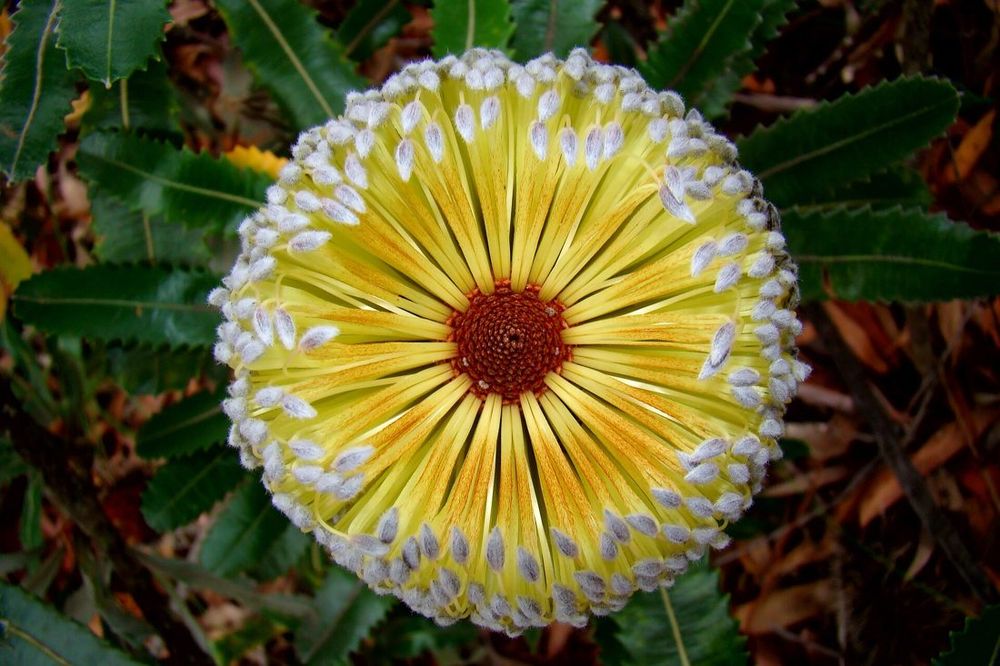
Photo: Bjørn Christian Tørrissen, CC BY-SA 3.0, via Wikimedia Commons

- Sun
- Full sun.
- Soil
- Well-drained, preferably sandy; does poorly in alkaline or badly drained soils. Use only low-phosphorus fertiliser.
- Soil pH
- Acidic, about 6-6.5; dislikes alkaline soil.
- Water
- Low to moderate; tolerates dry conditions once established.
- Hardiness
- Tolerates light to medium frost, wind and salt; temperate to arid climates.
- Height and spread
- 0.5 m to 15-25 m, depending on species.
Guv's tipUse only low-phosphorus fertiliser on banksias, and give them well-drained, preferably sandy soil. Trim the spent cones lightly.
Through the year
Flowering
Depends on species; many flower in autumn-winter, and collectively they flower in all seasons.
Pruning
Light pruning; trim spent cones. Lignotuberous species can be cut hard; otherwise avoid severe cuts into old wood.
Making more plants
Seed (heat to open the follicles); cuttings for cultivars.
Watch out for
Phytophthora root rot
Phytophthora cinnamomiLook for: Yellowing or browning leaves, decline and death.
What to do: Plant in well-drained soil; use a phosphonate (phosphorous acid) fungicide.
Always read and follow the label on any treatment, and check it is approved for use where you live.
Safety and spread
Pets and people: Not listed as toxic by the ASPCA or Pet Poison Helpline pet-poison lists.
Weed risk: Not a declared weed in Queensland and not listed as a weed on NSW WeedWise or Weeds Australia.
The Plant Doctor and the Guv's book
Printable pest and disease charts with real photographs, and all 50 Australia plants in one book.