 Guv's Gardens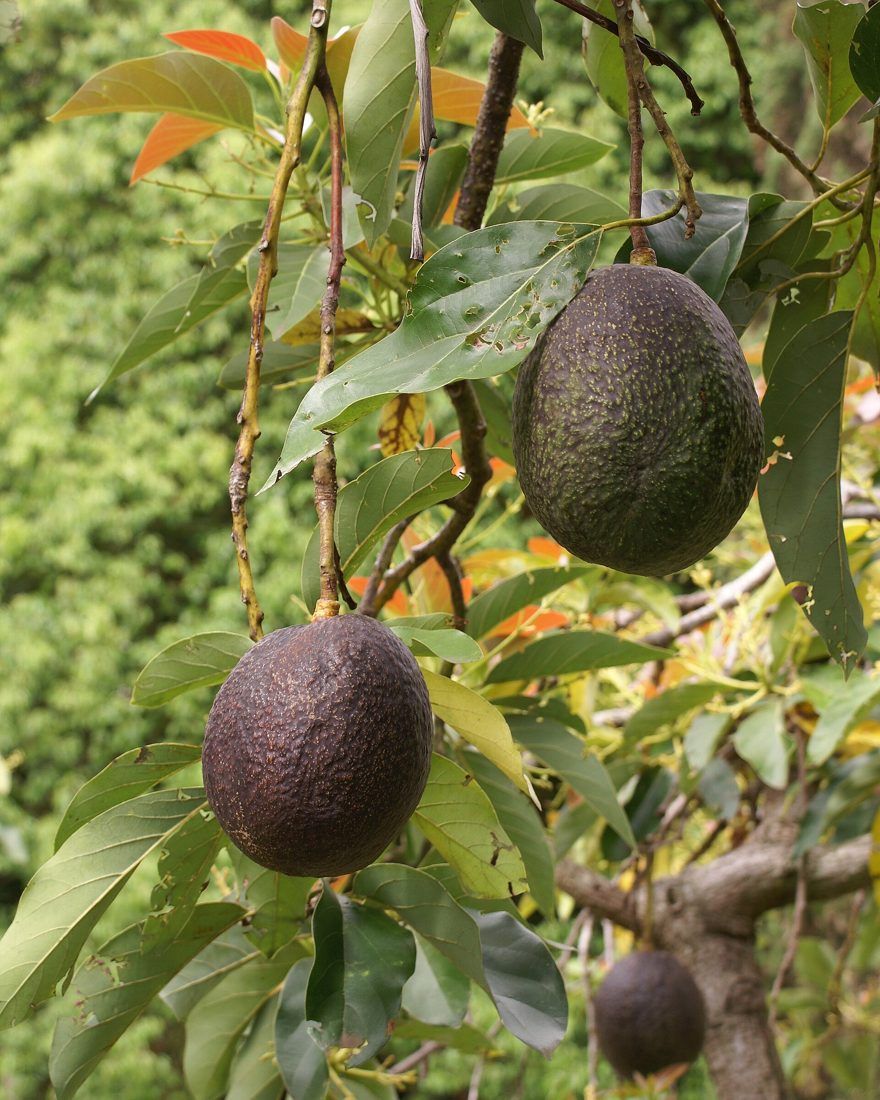
Photo: B.navez, CC BY-SA 3.0, via Wikimedia Commons

- Sun
- Full sun, protected from strong winds (young bark can sunburn).
- Soil
- Deep, fertile and very well-drained (mound in heavy soils).
- Soil pH
- Slightly acidic, about 5.5-7.
- Water
- Regular deep watering (about weekly, more in hot months); never waterlogged.
- Hardiness
- Tropical and subtropical; warm and cool temperate areas only with frost protection (mature trees tolerate brief frost to about -4 C; 'Bacon' to -5 C).
- Height and spread
- Up to 10-12 m if unpruned (often kept to about 3 m); dwarf 'Wurtz' about 4 m.
Guv's tipAvocados must never be waterlogged; in heavy soils, plant on mounds. Protect young trees from strong winds, as young bark can sunburn.
Through the year
When to plant
Spring (Sep-Nov) outside the tropics and subtropics.
Harvest or flowering
Grafted trees fruit after 4-5 years. Harvest season varies with variety and climate (autumn-winter; earlier in the tropics). Fruit ripens off the tree.
Pruning
Light pruning after fruiting to remove dead twigs and keep shape and height. Do any heavy pruning in late winter-early spring; never remove more than one-third of a branch.
Making more plants
Grafted trees are recommended (seedlings take up to 10 years and are not true to type).
Watch out for
Queensland fruit fly
Look for: Stings; maggots; premature fruit drop.
What to do: Bait spray on the foliage (not the fruit), traps and good hygiene.
Phytophthora root rot
Phytophthora cinnamomiLook for: Wilting, yellowing, dieback and sudden death; dark, rotted roots.
What to do: Plant in free-draining soil or on mounds and avoid overwatering. Apply a phosphonate (e.g. phosphorous acid) treatment.
Anthracnose
Fungal (Colletotrichum spp.).Look for: Large black spots on leaves and fruit.
What to do: Spray copper fungicide every 4 weeks from the end of flowering to harvest.
Always read and follow the label on any treatment, and check it is approved for use where you live.
Safety and spread
Pets and people: Toxic to horses (ASPCA): persin causes respiratory distress, heart failure and oedema. Pet Poison Helpline lists it as non-toxic to dogs and cats, but persin is toxic to birds, rabbits, horses and ruminants. The seed can cause intestinal obstruction.
Weed risk: Not a declared weed in Victoria or Queensland.
The Plant Doctor and the Guv's book
Printable pest and disease charts with real photographs, and all 50 Australia plants in one book.