 Guv's Gardens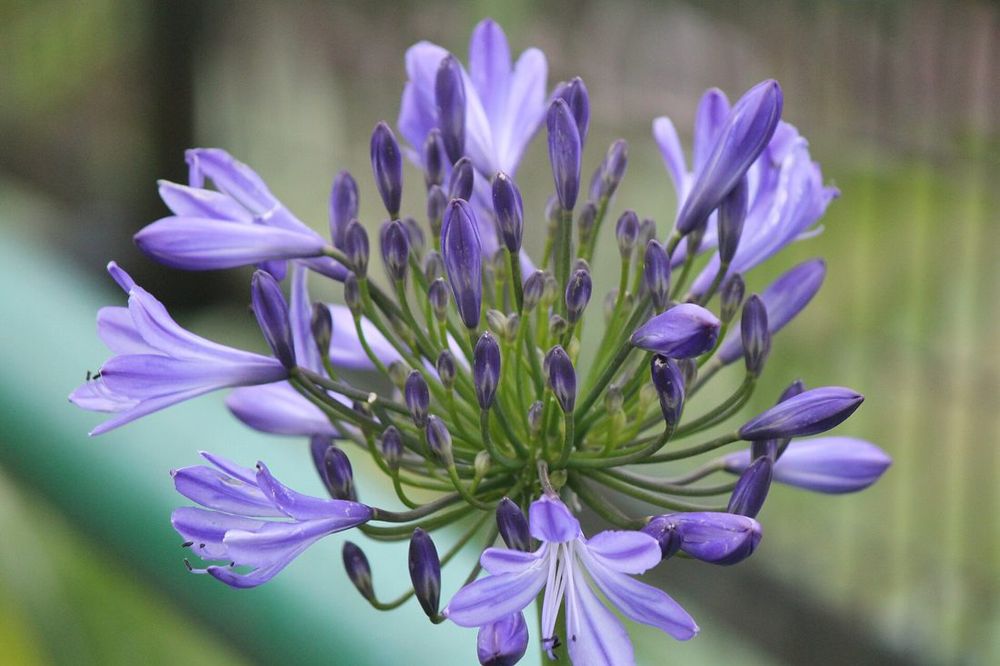
Photo: Navaneeth Krishnan S, CC BY-SA 3.0, via Wikimedia Commons

- Sun
- Full sun is best; tolerates part shade with fewer flowers.
- Soil
- Most soil types, including clay, loam and sand; well-drained.
- Soil pH
- Acid, neutral or alkaline (wide tolerance).
- Water
- Low; drought-tolerant once established.
- Hardiness
- Tolerates light frost; grows across temperate southern Australia.
- Height and spread
- Foliage 0.4-0.8 m; flower stems to 1.2-1.5 m; spread 0.5-1 m.
Guv's tipRemove spent agapanthus flower stems before the seed sets, and bin them. Remember, all parts are harmful if eaten.
Through the year
Timings are for temperate Australia. Tropical and arid gardens follow different seasons.
When to plant
Year-round; spring or autumn is easiest.
Flowering
Nov-Feb (late spring-summer), sometimes into autumn.
Pruning
Remove spent flower stems before seed sets and bin them; remove dead foliage.
Making more plants
Division of clumps (autumn or spring); seed.
Watch out for
Snails and slugs
Look for: Chewed foliage; slime trails. They shelter in dense clumps.
What to do: Hand-pick at night, use beer traps, or use iron-based snail pellets.
Always read and follow the label on any treatment, and check it is approved for use where you live.
Safety and spread
Pets and people: All parts are harmful if eaten. The sap is an irritant and can ulcerate the mouth, with nausea and vomiting; the roots, rhizome and leaves are most hazardous. Not listed by the ASPCA.
Weed risk: Not a declared weed in any state or territory, but an environmental weed or emerging threat in NSW, SA, Tasmania, Victoria and WA (Weeds Australia).
The Plant Doctor and the Guv's book
Printable pest and disease charts with real photographs, and all 50 Australia plants in one book.